Showing posts with label Journals. Show all posts

Wednesday, January 16, 2013

Locked in the Ivory Tower: Why JSTOR Imprisons Academic Research

This morning, I searched for an article about autism on JSTOR, the online database of academic journals. I have a child on the autistic spectrum, and I like to be aware of the latest research on the topic. I could not access any of the first 200 articles that contained the word "autism." That's because, for the most part, only individuals with a college ID card can read academic journal articles. Everyone else, including journalists, non-affiliated scholars, think tanks and curious individuals, must pay a substantial fee per article, if the articles are available at all.

 I later found one article that was available for $38. I'm not sure why one twelve page article costs $38. It takes me about eight minutes to scan a twelve page article. The researcher receives no royalties. Why does it cost so much to read one article?

 The answer lies in the antiquated system of academic publishing.

Click here to read this article from The Atlantic 

Wednesday, November 07, 2012

Maney Publishing and Oxbow Books form journal publishing partnership


Extending a business relationship that has endured for many years, Oxbow will transfer its journal publishing operation to Maney Publishing effective from 2013. Primarily a publisher of books, Oxbow Books is a publisher, distributor and retail bookseller for everything on archaeology, prehistory, the Classical world, the Middle Ages, Egyptology, Near Eastern studies, and related environmental and heritage topics.

Maney benefits from Oxbow’s reach to core markets for the books and series it publishes on behalf of the Palestine Exploration Fund and the British Archaeological Association.

Recognising Maney’s success in building an international portfolio of journals, Oxbow Books is pleased to license to Maney its three journals Landscapes, the Journal of Wetland Archaeology and Childhood in the Past so that they achieve full exposure to a global, institutional library market and can be sold flexibly within the MORE (Maney Online Research E-journal) Archaeology & Heritage and History collections. Both companies have grown as a result of collaborative and cooperative business models, working with societies, professional organisations and institutes to provide a viable route to market. The move of Oxbow’s journals to Maney seals a partnership which both sides warmly welcome.

Maney‘s Publishing Manager for Humanities, Liz Rosindale, is pleased that these journals will join the fold because “apart from fitting our profile so well, enabling us to present more excellent scholarship to archaeologists and those involved in the heritage sector, we are delighted to extend our working relationship in a new venture with our friends at Oxbow”.

Oxbow’s Publishing Director, Clare Litt, is delighted with the new arrangements as "Maney has great strengths in journal publishing and a wealth of experience that will benefit our journals, enabling their subscriptions and profile to grow and we welcome the opportunity to work closely with Maney to our mutual benefit."

For more information about these titles visit www.maneypublishing.com

Tuesday, March 06, 2012

Exemplaria receives the Phoenix Award for most improved journal

Exemplaria, an academic journal dedicated to medieval and Renaissance studies from Maney Publishing, has received the 2011 Phoenix Award for Significant Editorial Achievement from the Council of Editors of Learned Journals (CELJ).

The CELJ is an organisation made up of editors of scholarly journals covering a range of subjects, and in 1987 it established the Phoenix Award to give recognition to the most improved journal, regardless of its state at the time renovations began.

Judges noted “significant development for this already excellent journal” over the past three years.

The quarterly journal provides a forum for those interested in medieval and Renaissance studies, with an expansive scope covering European literature; literary theory; film; rhetoric; historicism; and old and Middle English.

Click here to read this article from Medievalists.net

Wednesday, January 04, 2012

The Inquisition featured on a special issue of Hispanic Research Journal

Hispanic Research Journal has released its February 2012 issue today, with a special issue entitled Negotiating Power in the Iberian Inquisitions: Courts, Crowns, and Creeds. Five articles dealing with the Spanish and Portuguese inquisitions are published in the issue, which will be freely available until mid-February.

The papers were originally contributions to a one-day conference held at the University of Oxford in March 2010. In their introduction to the issue, editors Tyler Fisher and Catarina Fouto write, ”while the Spanish Inquisition has long attracted the bulk of both scholarly and popular attention, its younger sibling, the Portuguese Inquisition (established in 1536), also played a major role in shaping Iberian influence in the Atlantic and beyond.”

Click here to read this article from Medievalists.net

Tuesday, September 28, 2010

Call for Papers: Hortulus: The Online Graduate Journal of Medieval Studies

Our upcoming issue will be devoted to representations and interpretations of exile – political, spiritual, or intellectual – in art, chronicles, letters, literature, and music from the Middle Ages. Expulsion, banishment, or prolonged separation from one’s homeland was experienced by many in the medieval world; it is likewise one of the earliest topics in literature.

Click here to read this article on Medievalists.net

Thursday, September 23, 2010

Special issue of Reading Medieval Studies to focus on the crusades

A new publication focusing on the crusades has been issued by the Graduate Centre for Medieval Studies at the University of Reading.

This special issue of Reading Medieval Studies contains a series of articles by leading and aspiring scholars in the field of crusading history.

All the papers are united in exploring, through the language and ideas of contemporary protagonists, the complex mix of religious and political motivations and the shared collective identity which lay behind crusading and state building in the Central Middle Ages.

Click here to read this article from Medievalists.net

Monday, August 02, 2010

Groundbreaking Stained Glass Journal celebrates fourth anniversary

Vidimus, the on-line journal of Stained Glass studies, is soon to celebrate its fourth anniversary. The Journal, launched in late 2006, is the only ‘free-to-view’ publication that deals with all aspects of stained glass and associated studies. As a ‘free-to-view’ service the editors of the journal are keen to encourage both scholars and members of the public to make use of the ever expanding archive of past issues. Containing detailed features, up to the minute news, book reviews and the popular ‘Panel of the Month’ Vidimus has become one of the major resources for anyone interested in the study of stained glass in all its forms. In addition, the news editor, Roger Rosewell, has been responsible for bringing a number of internationally important and significant finds and discoveries to the attention of the stained glass community and the world’s media.

Click here to read the article on Medievalists.net

Sunday, February 28, 2010

Laser surgery technique gets new life in art restoration

A laser technique best known for its use to remove unwanted tattoos from the skin is finding a second life in preserving great sculptures, paintings and other works of art, according to an article in the American Chemical Society's monthly journal, Accounts of Chemical Research.

The technique, called laser ablation, involves removing material from a solid surface by vaporizing the material with a laser beam.

(Art conservationists cleaned the two angels on the left with traditional restoration methods. They cleaned the one on the right using an advanced laser technique, which produced better results.)

A team led by Dr Salvatore Siano at the Applied Physics Institute-CNR in Florence, Italy, studied the results on several works of art. Among them are Lorenzo Ghiberti's gilded bronze panels Porta del Paradiso, or Gate of Paradise, and Donatello's Renaissance bronze statue of David.

Dr Siano said the work on the Gate of Paradise was the most important so far. "This was the first time a well recognised masterpiece was treated with laser cleaning," he said.

The team says the technique is now having a significant impact in the field of cultural heritage conservation. Wall paintings are the most recent application, and were a real test of the developing method, as Dr Siano explained: "This is a more delicate situation than metals or stone as the pigment is much more fragile."

The researchers point out that laser cleaning of artworks began about a decade before the techniques became well known for removal of tattoos from skin or removal of paints in industrial applications.

So why is laser cleaning preferable to traditional chemical or mechanical methods? Dr Siano said the absence of chemical agents makes the process more predictable. "Using chemicals means using something that can react all the time, even after one or two years.

"And if you compare it with mechanical means, the laser is able to distinguish what must be removed in a way that is much more selective than traditional techniques."

The difficulty is in choosing the right laser and sometimes, if it doesn't exist, having to build it. "When the laser doesn't exist you design the laser," said Dr Siano.

The pulse frequency and duration have to be very precisely selected for each task. "The pulse duration is really crucial because it determines the time for the localised heating. Sometimes a long heating is harmful and sometimes a short heating is harmful," explained Dr Siano.

It is crucial the laser is deployed in the right hands. "A laser can be used for very fine cleaning with precise discrimination but it can also be used to destroy the layer.

"This is not just micro-sandblasting," said Dr Siano, who also teaches the technique to students at the Restoration School of the Opificio delle Pietre Dure in Florence.

"If the restorer doesn't have experience it's better to avoid their intervention," he warned.
Problems have had to be overcome. Discoloration of stone and metal after laser cleaning slowed the spread of the technique. The team says this has been addressed with a new generation laser and careful selection of the parameters set.

Underwater irradiation has been found to be very effective for archaeological silver which has developed a mineral shell. "In water you can increase the effect of the laser; it's a kind of underwater micro-explosion or micro-fragmentation.

"It's a very effective method. If you use a scalpel you have no way of ensuring discrimination between the encrustation layer and the original surface underneath."

Dr Siano's team has not yet tested the method on any easel paintings but it is something he is thinking about. "We need more observation and more insight before starting on anything, for example, by Botticelli.

"But maybe they don't need any cleaning anyway," he quickly corrected himself. Despite their successes, the team clearly do not want to imply any of the masterpieces are in particular need of the laser's attention.

Click here to read the full article: Advances in Laser Cleaning of Artwork and Objects of Historical Interest: The Optimized Pulse Duration Approach

Friday, December 04, 2009

Research by Architecture Professor Describes Missing 500-Year Period of Loggias, Porticos

>

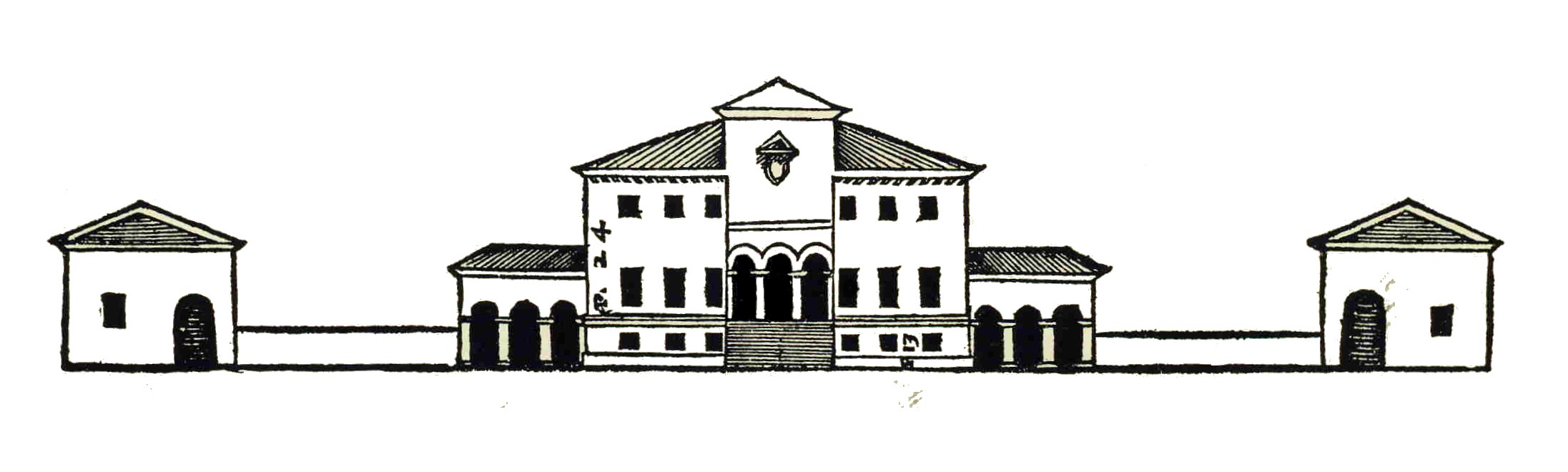
In European history, loggias represented more than just interesting architectural features. They also served important cultural functions.

That’s the focus of research presented in a recent journal article by Kim Sexton, an associate professor in the University of Arkansaw's Fay Jones School of Architecture. She had the lead article in the September issue of the Journal of the Society of Architectural Historians, a quarterly publication. .

Sexton’s 12,000-word article accounts for a number of centuries for which there are no surviving porticos. By researching text and images, she’s reconstructed what those were like between the 7th and 12th centuries. During this period, the use of porticos — roof-covered structures supported by columns — gave way to loggias, or recessed porticos.


“It’s important because we had porticos in Roman times, and then they come back in the Renaissance,” she said. “It’s like this unaccounted time, what happened in between.”

In her article, Sexton argues that they returned to prominence because different ethnic groups used them “to display their judicial systems.” As court proceedings were held outdoors, “they used different styles to frame that.”

At different times there were German and Romanic law; certain loggia announced each style. “It’s in this competitive kind of culture that they start to use the portico again,” she said. “From there it comes back into prominence in the Renaissance and late medieval Italy.”

This article resulted from research she did for The Italian Loggia, a book that looks at the use of the loggia between the 13th and 16th centuries. She’s finishing that manuscript, preparing to send it to a publisher. The information in the journal article, covering the pre-history to that book, is not part of the book.

A fascinating aspect of her research was “how there is an interrelationship between text and image and actual space. And to knit that together was I think the most interesting, but also I think the most progressive in terms of theory,” Sexton said.

Instead of seeing these sources as belonging to a distinct discipline — text for history, image for art history and space for architecture — “it’s put together in an interdisciplinary way,” she said. “It certainly would not have been possible to reconstruct without all those things.”

In her book, Sexton argues that loggias were “used to display activities that were kind of new, and maybe people felt unsure about their value. So that they wanted to display there was something good about the justice system.” She compares it to television today, as a powerful medium that can influence behavior.

Her research came out of investigations she began while writing her doctoral dissertation at Yale University. While studying art history there, she focused on Italian Renaissance architecture.

Loggias and porticos have long interested Sexton. “They seem at once so transparent in their function because they seem like simple shelters,” she said. “But then, why did they come to be built with such magnificent architecture by some of the best architects of the Renaissance?”

Sexton discovered images in several medieval sources — the center of a gem, illustrations of the book of Psalms, illuminations from law codes and encyclopedias.

The article’s most important image, which is in color on the journal’s cover, shows the only known instance of a king in a loggia where “a trial is actually in progress,” she said.

“If you see them empty, you’re not getting what it’s about,” she said of loggias. “You have to see it when it’s full of activity.”

Dean Jeff Shannon said this about Sexton: “This journal is the premier American venue for architectural historians; it is very difficult to have work accepted. To be featured on the cover is an additional recognition of the value of Kim’s contribution. We’re very proud of her achievement.”

Sexton’s research of loggias has included travels to Florence, Rome, Venice, and Bergamo. During her 10 years on the faculty of the Fay Jones School of Architecture, she has taught survey courses in the history of world architecture, specialized courses on medieval and Renaissance architecture, and space and gender theory.

Tuesday, December 01, 2009

Study reveals how small wars were fought in medieval France


According to an upcoming article, small scale wars between siegneurial lords were fairly common in fourteenth century France.

"Techniques of seigneurial war in the fourteenth century," by Justine Firnhaber-Baker is set to appear early next year in the Journal of Medieval History. Firnhaber-Baker, who is a post-doctoral research fellow at Oxford University, used records drawn from royal courts and royal letters of pardon to examine somewhere between 59 and 72 local wars that were fought in southern wars between 1300 and 1400.

"These wars," writes Firnhaber-Baker, "fought by the hereditary nobility, ecclesiastical lords, and even municipalities, generally arose over claims to lordship: conflicts over inheritance, over the possession of a castle, over the marriage of an heiress, over the right to execute justice or to collect taxes, and so forth. Theywere not ‘feuds’ in the sense of cyclical, vindicatory violence waged by kin groups, but rather political struggles pursued through military means."

Castles played an important role in local wars, serving as the headquarters for lords and to shelter their soldiers. Sieges did occur, but because local commanders did not have the resources for long, drawn out attempts to starve the enemies into submission or to use large siege machines such as trebuchets, these attacks on castles would last only a few hours, or at most a few days. Therefore, the sieges of castles were more like an attack on it that was meant to take the fortification immediately.

Another tactic to capture was castles was to use surprise or some type of subterfuge. "Stephen de Vissac, for example, took a castle in 1359 by tricking a chaplain into handing the castle over to two of his men, who had gained entry by asking to see relics kept there. After viewing the relics, they asked for some wine. Left alone while the man went to the wine cellar, they threw open the doors, allowing Stephen and his accomplices to enter and take the castle."

Firnhaber-Baker also finds that raiding was an instrumental part of local wars in medieval France. These include frequent attacks on peasants and civilians, many of whom were tortured to force them to pay ransom. Another popular tactic was animal stealing.

The article also finds that as the century went on mercenaries were more frequently being hired to carry out attacks. Firnhaber-Baker notes, "in addition to increasing the number of seigneurial wars, mercenary participation also exacerbated their violence as the routiers' brutality influenced their employers. Their baleful effect on seigneurial war is apparent in the increasingly common complaint that non-combatants were kidnapped and forced to redeem themselves with exorbitant ransoms."

In an interview with Medievalists.net, Firnhaber-Baker says, "This article comes out of a bigger project on seigneurial war in relation to royal power in the later Middle Ages, though most of my work is concerned more with political and legal questions than with military history. I became interested in the topic when reading through fourteenth-century royal pardons and finding a large number were for what appeared to be sheer banditry. When I took a closer look, I realized that many of the people who had perpetrated this violence were actually nobles and that many of these episodes were part of longer-term wars -- i.e. not "banditry" at all."

Firnhaber-Baker is currently working on a book entitled Violence and the State: Seigneurial Warfare and Royal Authority in Later Medieval France which focuses on so-called "private war" and royal responses to that violence from ca. 1250 to 1415. The book argues that although French kings and their administrators had neither the intention nor the ability to construct a modern state by asserting a monopoly over legitimate violence to seigneurial detriment, they nevertheless durably increased royal power by creating judicial and administrative networks through which seigneurial conflicts could be negotiated.

Firnhaber-Baker's article,"Techniques of seigneurial war in the fourteenth century," is set to appear in an upcoming issue of the Journal of Medieval History. See also her article: From God’s Peace to the King’s Order: Late Medieval Limitations on Non-Royal Warfare

Friday, November 27, 2009

Journal of Medieval History releases December 2009 issue


The Journal of Medieval History has released its latest issue (Volume 35:4), with six new articles mostly focusing on aspects of medieval Christianity. Here is information about the articles, including their abstracts

Gift-giving and books in the letters of St Boniface and Lul, by John-Henry Wilson Clay

The Anglo-Saxon missionary and archbishop St Boniface (d.754) and Lul, his protégé and successor in the see of Mainz (d.768), left behind a rich collection of letters that has become an invaluable source in our understanding of Boniface's mission. This article examines the letters in order to elucidate the customs of gift-giving that existed between those who were involved in the mission, whether directly or as external supporters. It begins with a brief overview of anthropological models of gift-giving, followed by a discussion of the portrayal of gift-giving in Anglo-Saxon literature. Two features of the letters of Boniface and Lul are then examined — the giving of gifts and the giving of books — and a crucial distinction between them revealed. Although particular customs of gift-giving between the missionaries and their supporters were well established, and indeed bore some resemblance to ‘secular’ gift-giving customs depicted in Anglo-Saxon poetry, books, while exchanged frequently, were consistently excluded from the ritualised structures of gift-giving. A dual explanation for this phenomenon is proposed: first, that books were of greater practical importance to the mission than other forms of gifts; second, that their status as sacred texts rendered them unsuitable for inclusion within rituals that depended upon the giver emphatically belittling the material worth of their own gift.

Discipline, compassion and monastic ideals of community, c.950–1250, by Katherine Allen Smith

This essay examines the intersections of discipline, compassion and community in a selection of monastic texts from the late tenth through to the mid-thirteenth centuries, focusing on disciplinary rituals involving punitive flogging or flagellation. Although members of all of the major religious orders viewed flogging as a necessary method of correction needing little or no justification, as evidenced by customaries, letters, and even miracle collections, few scholars have examined the role of this practice in the shaping of monastic culture. This essay suggests that disciplinary rituals served a number of related functions within coenobitic monasticism: they reinforced hierarchies within communities, tested individuals' mastery of the virtues of humility and obedience, expressed superiors' compassion and love for their subordinates, and reminded penitents and spectators alike of Christ's bodily suffering. These conclusions are further supported by a close reading of Peter the Venerable's vita of the Cluniac prior Matthew of Albano, a text which depicts disciplinary violence as a synthetic element of monastic life, as well as a ritual means of promoting the spiritual growth of individuals and entire communities.

Prouille, Madrid, Rome: the evolution of the earliest Dominican Instituta for nuns, by Julie Ann Smith

The lifestyles of the three earliest Dominican women's communities were formulated according to their specific historical conditions and exigencies during the years 1206–21. Initially, the women associated with the preaching mission of Diego of Osma and Dominic Guzman were based at Prouille in the Languedoc and followed the Augustinian Rule. The development of the first instituta for Dominican nuns was the result of 15 years of overseeing the lives of the sisters. However, enclosure, and the institutional requirement for its observance, only came about in 1220 with the establishment of San Sisto, when St Dominic wrote an instituta specifically intended for a cloistered nunnery. This paper retraces and elucidates the historical development of the first Dominican instituta for women, and considers the remarkable choice of the Augustinian Rule as the basis for an enclosed women's order.

A shared imitation: Cistercian convents and crusader families in thirteenth-century Champagne, by Anne E. Lester

This article examines the relationship between Cistercian nunneries and the crusade movement and considers the role of gender in light of the new emphasis on penitential piety and suffering prevalent during the thirteenth century. Focused on evidence from the region of Champagne in northern France, it argues that female family members of male crusaders adopted Cistercian spirituality as a means of participating in the experience of suffering and the pursuit of the imitation of Christ that had come to be associated with the act of crusading. The connection between Cistercian nuns and crusaders was further strengthened during this period as the Cistercian order expanded its liturgy to include specific rounds of prayers for success in the east and in southern France, for Jerusalem, and for the well-being of crusaders. Many crusader families in Champagne founded Cistercian nunneries to function as family necropolises, further sharpening the connections between crusaders, memory, and suffering as experienced in female Cistercian houses.

Prison and sacrament in the cult of saints: images of St Barbara in late medieval art, by Megan Cassidy-Welch

This article analyses the changing visual representation of St Barbara during the later middle ages. The article identifies a shift in St Barbara's iconography: whereas earlier medieval representations of the saint almost always show her with her prison tower, a number of fifteenth-century representations show the saint holding a chalice and host. The article traces how and why this shift occurred. In particular, the article explores the ways in which medieval thinking linking incarceration and liberation were integrated into new representations of St Barbara to stress her intercessionary, sacramental functions. Overall, the article argues that the visual transformation of St Barbara's prison tower into a liturgical vessel reveals how saints like Barbara were increasingly viewed as conduits to the inclusive sort of freedom that participation in Christianity's sacramental economy invited.

The political significance of Christine de Pizan's third estate in the Livre du corps de policie, by Tracy Adams

Although the general historical context of Christine de Pizan's Livre du corps de policie (LCP), the Orleanist-Burgundian feud occasioned by the periodic insanity of King Charles VI, has long been recognised, the precise argument that the author wages through her unique configuration of the third part of the body politic has not been explored. This essay reads the LCP as an intervention into the escalating struggle for power between Charles VI's brother, the duke of Orleans, and his cousin, the duke of Burgundy. Christine's purpose emerges most clearly in her peculiar arrangement of the third part of her body politic, le peuple, where two points bear particular consideration: her inclusion of the University and her division of the ‘merchants’ across two separate categories, a repartition which seems to refer to the contemporary distinction between the highly-placed merchants of Paris and the butchers. Christine seems to be arguing that if the University were to make common cause with the ruling burghers and well-placed merchants, they could force into submission their more restless brothers and sisters, the butchers and their thuggish followers, whom the duke of Burgundy would finally convince to rise up in 1413 in what has become known as the Cabochian Revolt.

The Journal of Medieval History is published by Elsevier. Click here to go to their website.

Tuesday, November 24, 2009

Medieval Archaeology - Volume 53 released


Maney Publishing has released volume 53 of Medieval Archaeology: Journal of the Society for Medieval Archaeology. This academic journal comes out once per year, and specializes in the medieval archaeology of Britain and Ireland.

Here are the following articles for this year's volume:

Combs, Contact and Chronology: Reconsidering Hair Combs in Early-Historic and Viking-Age Atlantic Scotland, by Steven P. Ashby

Abstract: Analysis of an important collection of bone/antler hair combs from Atlantic Scotland has illuminated the chronology of early-medieval Scandinavian settlement in the region. Application of a new typology, identification of variations in manufacturing practice and analysis of spatial patterning throw light on the development of combs traditionally seen as characteristic of early-historic Atlantic Scotland. The application of new techniques of raw material analysis demonstrates the probable use of reindeer antler in combs of 'native' style. However, none of these combs is from contexts that can confidently be dated to the 8th century or earlier, and the pattern is indicative of Norse-native coexistence (peaceful or otherwise) in the 9th century, but not before. The comb evidence demonstrates a Scandinavian presence throughout Atlantic Scotland from early in the Viking Age, but also highlights the importance of contact with Ireland and Anglo-Saxon England.

The 9th-century West Porch of St Mary's Church, Deerhurst, Gloucestershire: Form and Function, by Michael Hare

Abstract: A fresh account of the evidence for the Anglo-Saxon W porch at St Mary's Church, Deerhurst, with special reference to the elaborate second-floor chapel, suggests (contrary to recent opinion) that the walls of this high-level chapel are of one build with the W wall of the nave. A series of blocked sockets around three sides of the porch and in the W wall of the nave formerly held a complex series of interlocking beams, which supported an internal floor and extended externally to form a projecting walkway round three sides of the porch. This timber arrangement not only adds to our knowledge of Anglo-Saxon building techniques, but is also the only unambiguous example of such a structure between late Antiquity and the central Middle Ages. The surviving walkway at St Peter, Beho (Belgium) and the evidence of various manuscript illustrations, most notably a 10th-century Spanish depiction of a tower with a projecting walkway, offer parallels; ultimately these derive from classical precedents. The extension of the walkway round the porch at Deerhurst implies liturgical ceremonies of some complexity. At Beho a priest displayed relics from the walkway in the 18th century; the display of relics was probably also the principal function of the Deerhurst walkway.

The Development of Late-Saxon Christchurch, Dorset, and the Burghal Hidage, by Jeremy Haslam

Abstract: Advances in the understanding of the Anglo-Saxon burh in the last 25 years, a reassessment of the date and context of the Burghal Hidage and a recent analysis of comparable archaeological evidence from Cricklade make it necessary to review the archaeological evidence of the defences of the late-Saxon burh at Christchurch. This enables a reconstruction of the urban landscape, which in turn allows a new view of the significance of hidage assessments in the Burghal Hidage for all the burhs in the system it describes. It also places the development of Christchurch in the context of that of other burhs in Wessex and southern Mercia, and throws a new light on general historical processes in the 9th to the early 11th centuries.

The Architectural Setting of the Mass in Early-medieval Ireland, by Tomas Carragáin

Abstract: Surviving churches and documents are analysed for what they may reveal about the architectural context of the mass in early-medieval Ireland. This shows that there is no evidence to support the widely held view that the congregation stood outside. Instead, the variable but relatively small size of these churches expresses the fact that they served smaller and more diverse communities than their high-medieval successors. The altars in large episcopal and/or monastic churches seem positioned further west than those in relatively small, pastoral churches. In part, this was probably to facilitate relatively complex eucharistic liturgies. Externally defined chancels appear for the first time in the late 11th century AD in response to an increased emphasis on the real presence of Christ in the Eucharist. Significantly, they occur at a handful of important sites whose clerics and patrons were in direct contact with Lanfranc of Canterbury, a key exponent of this doctrine.

The Lewis Hoard of Gaming Pieces: A Re-examination of their Context, Meanings, Discovery and Manufacture, by David H. Caldwell; Mark A. Hall and Caroline M. Wilkinson

Abstract: Almost 180 years of scholarship on the Lewis chessmen have given us a solid foundation of understanding, primarily based upon their art-historical analysis. Taking a more interdisciplinary approach (combining elements of art history with archaeology and history), this paper focuses on some over-looked themes — primarily the archaeological, gaming and political contexts of the 12th- and 13th-century North Sea world — and some more familiar themes but in a new light. We suggest a more fluid composition and function of the gaming hoard, with at least four sets of chessmen from the same workshop conceivably made for use in Lewis, possibly in the early 13th century.

Administrative Organisation and State Formation: A Case Study of Assembly Sites in Södermanland, Sweden, by Alexandra Sanmark

Abstract: This is the first multi-disciplinary study of Swedish local thing (assembly) sites of the Viking Age through to the late Middle Ages. Previous studies ignored the larger body of evidence, producing models that are too generalising and often one-dimensional. A systematic overview of the location, features and landscape characteristics of things in the county of Södermanland enables exploration of wider questions, such as the development of the thing organisation and the beginnings of state formation in Sweden. This suggests late-Viking thing sites, mainly created in 11th century, are Christian sites, established by local magnates in response to the growing central power. The similarities and conformity of sites, together with a reorganisation of the defensive systems from inland lakes to coastal areas, suggest there was a sense of growing unity and unification within Sweden at this time.

The Historic Landscape of the Saga of the People of Vatnsdalur: Exploring the Saga Writer's Use of the Landscape and Archaeological Remains to Serve Political Interests, by Thor Hjaltalín

Abstract: The saga of the People of Vatnsdalur (Vatnsdaelasaga) provides a case study for a new approach to the Sagas of Icelanders (Íslendingasögur). This treats the saga as a cultural product of the 13th century that can give insights into its creator's ideas and worldviews. Fieldwork at five sites in the Vatnsdalur valley in NW Iceland seeks to establish what these places were like in the 13th century. This knowledge, alongside the saga and place-name evidence, illustrates how the saga writer, presumed to come from a powerful 13th-century family, systematically used the landscape and archaeological remains in the valley to serve his political interests when describing 10th-century events.

Native Enclosed Settlement and the Problem of the Irish 'Ring-fort', by Elizabeth Fitzpatrick

Abstract: One of the most sustained monolithic traditions of Irish archaeology is the classification of a wide variety of earthen and stone enclosures (ráth and caisel) as 'ring-forts'. This is an impediment to understanding the significant changes that native enclosed settlement underwent through time since it encourages archaeologists to fit their evidence to the category rather than to assess each enclosed settlement on its own merits. It also conceals differences between various forms of enclosed settlements inhabited from the 7th to the 17th century AD, occasionally later. The proposal is therefore that the 'ring-fort' is a chimera and that the use of that term should be discontinued so that study of native enclosed settlement can be liberated from its insular base and used to explore social change in Ireland. A field study from the Burren, Co Clare is used in support of this argument.

Click here to go to the journal's website on IngentaConnect.

We will be reporting on details of some of the articles in Medieval Archaeology over the next few days and weeks. Previously, we reported on Lewis Chessmen might not be Chessmen, which is based on one of the articles in this year's issue.

Friday, November 13, 2009

Brill introduces Journal Open Access Service: Brill Open

Brill, a prominent scholarly publisher in the medieval studies, has announced the launch of Brill Open. This new author service offers the option of making articles freely available upon publication. Brill Open enables authors to comply with research funding bodies and institutions which require open access.

The Brill Open option will be available for all 135 journals published under the imprints Brill, Martinus Nijhoff and VSP. Articles will be put in online open access in exchange for an article publishing fee to be arranged by the author.

Sam Bruinsma, Brill’s Business Development Director, explains: ‘We are launching this new service in answer to a growing number of research funding bodies and universities announcing their compliance with the open access model. With Brill Open our journals are ready to meet the expected increase in contributions under this model.’

In order to ensure that authors' funder requirements have no influence on the editorial peer review and decision-making, Brill Open will be made available to authors only upon acceptance of their paper for publication. Those authors who do not wish to use this service will be under no pressure to do so, and their accepted article will be published in the usual manner.

Brill’s strategic intent is to adjust the future subscription price of a journal to reflect an increase in Brill Open fees. Sam Bruinsma comments: ‘Our view on open access developments is positive. We accept that over time an increasing part of our revenues will come through this new model. This will have an impact on the revenues from our library subscription service. The combination of these two business models will continue to support a healthy and sustainable journal program attractive to the best authors in the field.’

For more details about Brill Open and Brill’s open access policy, please go to www.brill.nl/openaccess.

Friday, November 06, 2009

Medieval Iberia Workshop Marks Launch of New Scholarly Journal


Leading national and international scholars will converge on Hofstra University today, for a one-day “Medieval Iberia” workshop that will examine the Christian, Islamic and Jewish cultures of medieval Spain and Portugal, and celebrate the launch of a new academic publication, the Journal of Medieval Iberian Studies, which published its first two issues this year with support from Hofstra and Western Michigan University.

The journal, published by the Taylor & Francis Group, comes out in January and June. Several contributors to the journal are among the workshop leaders. “The workshop offers a unique opportunity to discuss cutting-edge work,” according to Simon R. Doubleday, Ph.D., associate professor of history and executive editor of the new journal, who is the director of the workshop. “Experts will introduce and lead discussion on new approaches to field as diverse as archaeology, musicology, history and literature.”

The workshop is co-sponsored by the Taylor & Francis Group, Hofstra Cultural Center, the Office of the Provost, the Office of the Dean of the College of Liberal Arts and Sciences, the departments of History and Romance Languages and Literature, and the programs of European Studies, Middle Eastern and Central Asian Studies, and Latin American and Caribbean Studies.

Click here to go to the Journal's website

Tuesday, October 27, 2009

Journal of Art Historiography

The University of Glasgow will be publishing a new open-access journal on art history. The Journal of Art Historiography will have its inaugural issue made available on December 31st.

The journal is being headed by Professor Richard Woodfield, and will be published twice a year. It will include articles examines art historiography in the Middle Ages and Renaissance periods.

The university is also going to be publishing a book series entitled Glasgow monographs in art historiography.

In an interview with Medievalists.net, Professor Woodfield explains how he got the idea to start this journal: "My interest in art historiography started when I read [Ernst Hans Josef] Gombrich. He asked some fundamental questions about the disciplinary practice of art history. I got to know him and collaborated with him to produce two books, his 'Reflections on the History of Art' and our 'The Essential Gombrich'. Quite early on I became interested in the Vienna School of Art History and Gombrich's own mentors. That resulted in my collaborative books on Riegl, Warburg and 'Gombrich on Art and Psychology'. I have always been interested in working with other scholars but felt that the study of art historiography, which is the study of the nature of art historical writing, was rather marginal to publishers' interests.

"When I retired I became involved with a project on Viennese Art historiography, which failed to get research funding but did result in my being made an Honorary Senior Research Fellow in the Department of Art History in the University of Glasgow. With the original project failed it occurred to me to set up in publishing myself: if no-one else would promote art historiography then I would. The university's Library, IT and Corporate Communications staff helped me to set up an Open Access (free) ejournal. The Head of the Institute of Art History, Professor Nicholas Pearce, gave me his support to set up a book series, which will be called the 'Glasgow Monographs in Art History'. I was able to persuade a number of distinguished scholars to join my Editorial Advisory Board and their role, in addition to giving me advice, is to look out for promising contributors.

"The scope of the ejournal and book series is very broad but its concept is based on the work of the Viennese art historians, whose activities were rooted in the Imperial Museums and whose subjects included a broad spectrum of objects, well beyond just paintings. They also made very imaginative use of the intellectual materials at their disposal and weren't afraid to dip into psychology, ethnography, linguistics, sociology or whatever. Pretty much like Gombrich himself. Indeed he owed that debt to them."

Professor Woodfield has also made a call for contributors interested in writing articles for the journal. For more information, please see the Journal of Art Historiography website.

Friday, September 04, 2009

Historical Research devotes special issue to Henry VII


The journal Historical Research has released a special issue to commemorate the 500th anniversary of the death of King Henry VII (1485-1509) of England. It includes 10 articles about the famous Tudor monarch.

In the introduction to this issue, Mark R. Horowitz writes, "It is hoped that this volume of articles will stimulate both increased interest in the first Tudor king and discussion and discourse that will lead to further investigation and research concerning his reign. It is instructive to note that after 500 years we continue to learn about this enigmatic Anglo-Welshman who risked his life and the lives of those who supported him to pursue the throne of England with not much hope and much less credibility."

Henry VII came to the throne in 1485 after he defeated and killed Richard III at the Battle of Bosworth Field. His tumultuous reign is considered to be one of the most important in English history.

"There remain many contradictory perceptions of the first Tudor king that have given rise to the individuality that is Henry VII," adds Professor Horowitz. "He has been viewed as either the last medieval king or the first modern king; an absolute monarch above the law or a king in support of the law; an emulator of the Spanish and French monarchies or a proponent of distinctly English customs and traditions; a ruler seeking revenge on his enemies or an enlightened king showing uncanny mercy to those against him; a pawn in international affairs or a powerbroker among key nations; a renovator following previous modes and methods of ruling the realm or an innovator seeking more efficiencies and effective government; a king dying cash-poor or in debt or the richest king of England since William the Conqueror."

The articles in this issue are:

Politic history, New Monarchy and state formation: Henry VII in European perspective, by Steven Gunn

Household, politics and political morality in the reign of Henry VII, by David Grummitt

Policy and prosecution in the reign of Henry VII, by Mark R. Horowitz

Loyalty and the usurper: recognizances, the council and allegiance under Henry VII, by Sean Cunningham

The enforcement of the penal statutes in the 1490s: some new evidence, by P. R. Cavill

Urban policy and urban political culture: Henry VII and his towns, by James Lee

Reaction to Henry VII's style of kingship and its contribution to the emergence of constitutional monarchy in England, by Penny Tucker

Henry VII, France and the Holy League of Venice: the diplomacy of balance, by John M. Currin

'Of good name and fame in the countrey': standards of conduct for Henry VII's chamber officials, by Margaret McGlynn

Henry Tudor's treasure, by Mark R. Horowitz

Online access to the journal is available through Wiley Interscience.

Sunday, August 23, 2009

English crusaders settled in 12th century Spain, study finds

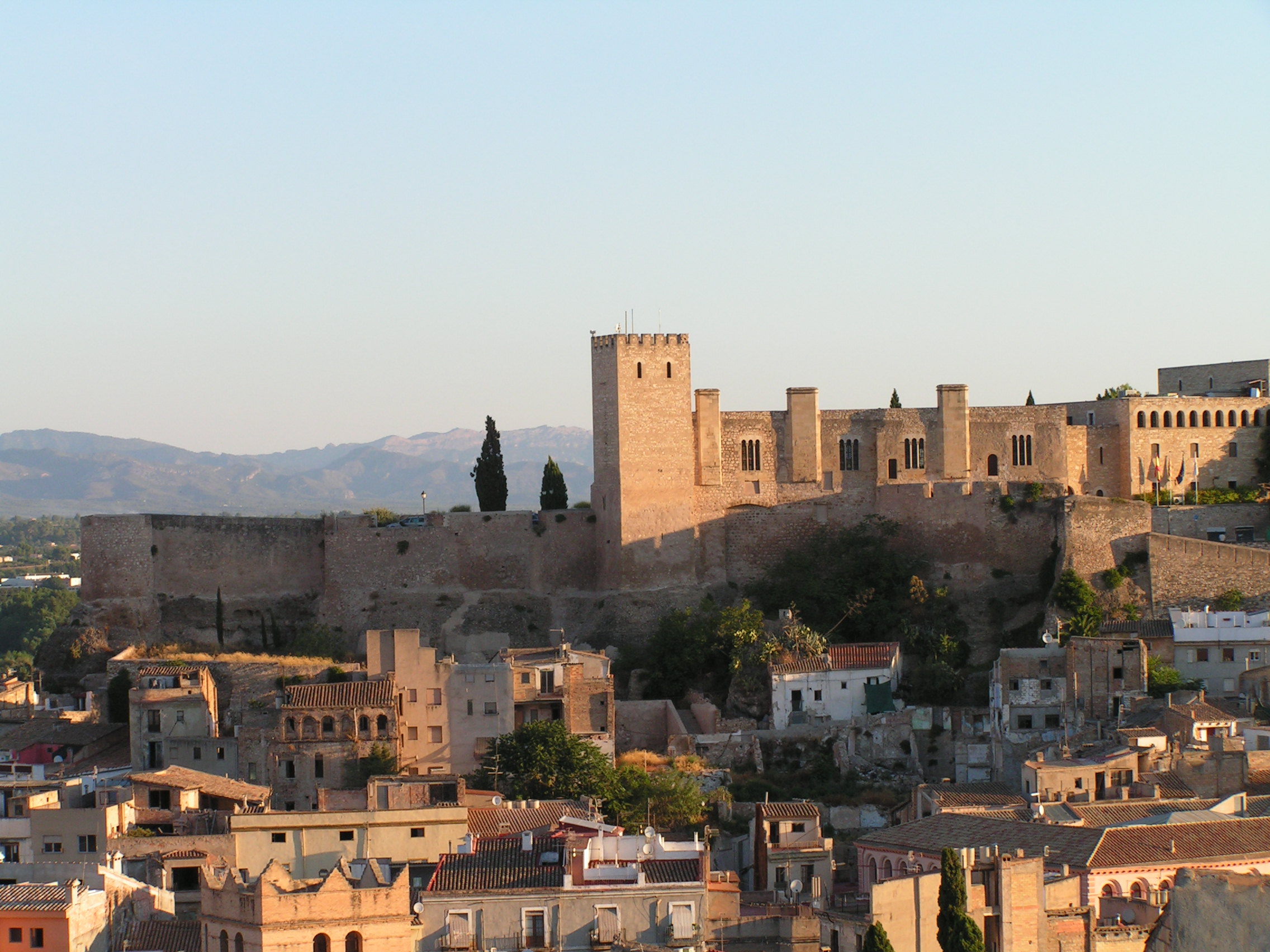
A recent article in the Journal of Medieval History has found records indicating that a group of crusaders from England and Wales took part in the siege and conquest of the Spanish city of Tortosa in 1148, and that some of them decided to stay and live in the area.

In his article "Angli cum multis aliis alienigenis: crusade settlers in Tortosa," Antoni Virgili on the University of Barcelona traces the records of about twenty individuals who lived in and around Tortosa during the second half of the twelfth century. He identifies these people as being from England and Wales, including some people who became wealthy and important members of the local oligarchy.

In the spring of 1147 Anglo-Norman and Flemish crusaders set out from Dartmouth in the direction of the Holy Land to take part in the Second Crusade. On their way they participated in the siege of Lisbon (October 1147) and the campaign against Tortosa which finished with the surrender of the city on the last day of 1148.

After the city fell, Ramon Berenguer IV, Count of Barcelona, began encouraging people to settle in his newly-conquered territories, offering them free land. Along with Catalans and Aragonese, this offer attracted Italian, French and other European settlers.


Virgili focuses on twenty of these individuals who he believes came from England or Wales, and provides biographical information about them. They include Guilabertus Anglicus, who is mentioned in 56 documents dating from between 1151 and 1180. He was given several homes in Tortosa by Count Ramon and over the years built up his landed property. His will and other documents showed that he supported the Templars and several local religious groups.

The documents researched by Virgili show that these English settlers were active in acquiring and selling property in and around Tortosa. In 1165, Rotbertus Otonensis and his wife Guia sold to the Templar commandery at Tortosa an orchard at Palomera for 25 gold morabetins lupins. In that same year, Osbertus Anglicus paid 55 gold morabetins to purchase an orchard in Vilanova held by a Jewish man named Haio Azus.

The article is available in Volume 35, Number 3 of the Journal of Medieval History, which can be accessed from this website.

Thursday, July 02, 2009

English Historical Review - June 2009

The June 2009 issue of the English Historical Review (Volume 124, Number 508) has now been published, and it includes a couple of articles that would be of interest to medievalists.

History and Hagiography in the Late Eleventh Century: The Life and Work of Herman the Archdeacon, Monk of Bury St Edmunds, by Tom Licence

Pages 516-544
Abstract: During the 1090s, a monk of Bury St Edmunds, called Herman, wrote an account of St Edmund's miracles by weaving them into a historical framework founded on the Anglo-Saxon Chronicle. His aim was to portray St Edmund as a national saint whose mercies had helped to shape the fortunes of the English people. Herman's work is an invaluable source for historians working on the eleventh century, but his identity is in doubt with the consequence that even his name is disputed. Antonia Gransden argues that ‘Herman’ in fact was a French hagiographer called Bertran who came to England c. 1090. The present article overturns this theory, painting quite a different picture of the monk whose work sheds new light on historical writing and intellectual culture at his monastery. Formerly a senior cleric in the bishop's household, Herman had spent up to thirty years or more in East Anglia, managing the bishop's correspondence with the king and dealing with major players who feature in his history. As a senior monk at Bury St Edmunds he would preach to the common people and invite them to revere the saint's relics. Moreover, he had an ambitious vision for his written project, which was uniquely innovative for its time as much in its portrayal of history as in its design.

Making Sense of the Early Middle Ages, by Roger Collins

Pages 641-665

Synopsis: A review of five recent books: The New Cambridge Medieval History. Vol. I: c.500–c.700, edited by Paul Fouracre; Framing the Middle Ages: Europe and the Mediterranean, 400–800, by Chris Wickham; Paradigms and Methods in Early Medieval Studies, edited by Chazelle Celia and Felice Lifshitz; Europe after Rome: A New Cultural History 500–1000, by Julia M.H. Smith; and The Early Middle Ages: The Birth of Europe, by Lynette Olson. Professor Collins offers a negative opinion of the current work being done here, concluding that, "Many historians of the period are apparently unwilling to write in clear and comprehensible English for the enthusiastic readership that exists for historical works, preferring to cloak their meaning in language that is aimed only at an initiated élite. All in all, there seems to be far too much navel-gazing going on, and generally there is greater danger of intellectual paralysis than of over-confidence."

For more information on accessing these articles, please see the Oxford University Press website.

Thursday, June 18, 2009

Journal of Medieval History - June 2009 issue


The June 2009 issue of the Journal of Medieval History (Volume 35, issue 2) has been released. Articles in this issue include:

Learning to be a man: public schooling and apprenticeship in late medieval Manosque
By Steven Bednarski and Andrée Courtemanche

This article looks at teachers' contracts and apprenticeship contracts from the Provençal town of Manosque. It argues that, in late medieval Manosque, education was institutionalised and gendered. Manosquin society implemented formal systems in order to inculcate a particular type of masculine identity. This identity, a function of the growing burgher class of townsmen, was driven by rapid urban expansion, economics, and secularisation. This article demonstrates how gender acquisition took place. It also explores in detail the form and content of secular schooling for young boys and apprenticeship for adolescents.

The Master and Marguerite: Godfrey of Fontaines' praise of The Mirror of Simple Souls
By Sean Field

This article examines the evidence for the intellectual and practical relationship between Marguerite Porete and the secular master of theology Godfrey of Fontaines. It analyses the nature, timing, and importance of Godfrey's response to The Mirror of Simple Souls, and argues that considering the interaction between these two figures has important consequences for our understanding of both of their careers.

Notes on Templar personnel and government at the turn of the thirteenth and fourteenth centuries
By Alan Forey

The Hospital of St John is thought to have been in various respects in a rather more healthy condition than the order of the Temple in the late thirteenth century, and comparisons and contrasts between the two orders have recently been made, often to the detriment of the Templars. This view is examined with reference to recruiting, the role of sergeants, ignorance among brothers, provincial administration, central government, and roles after the collapse of the crusader states. The argument is advanced that the Temple was not in a noticeably worse state than the Hospital and that on many issues the similarities between the two orders are more marked than the differences.

Storm flooding, coastal defence and land use around the Thames estuary and tidal river c.1250–1450
By James A. Galloway

Climatic deterioration in the later middle ages was associated with an increasing frequency of marine storm surges affecting the coasts of the southern North Sea. This paper investigates the impact of storm surges upon the lands bordering the Thames estuary and tidal river between the mid-thirteenth and mid-fifteenth centuries. Land use in the coastal and riverine marshes is reviewed, and the means and costs of defence against marine flooding explored. The impact of flooding upon human use of the marshlands, upon the suburbs of medieval London and upon the Thames fisheries are all investigated. Stress is placed upon the complex interaction of economic and environmental factors in determining the response to the threat of marine flooding.

Family and familiars. The concentric household in late medieval penitentiary petitions
By Philip Grace

Few studies to date have examined the relational aspects of life within a non-nuclear medieval household. This article aims to show that the affective bonds that were prescribed for members of the nuclear family in the late middle ages were also prescribed for members of the larger household, though to a lesser degree. ‘Familiars’ were expected to develop bonds of loyalty that cut across distinctions of social estate. A series of petitions to the papal penitentiary from German-speaking areas during the fifteenth century shows that both elite and non-elite individuals exhibited such affective bonds of support in violent situations as well as in a wide variety of other circumstances. This indicates that the household formed a major building block of medieval society in relational as well as in logistical terms.

Anti-corruption campaigns in thirteenth-century Europe
By William Chester Jordan

The thirteenth century in France saw the initiation of a series of reforms intended to define, identify and root out corruption in government. The principal architect of the campaign was King Louis IX (1226–70), ably supported by a coterie of special officials. Inspired in part by his desire to purify his kingdom in the long preparation for the crusade of 1270, he also drew on longstanding precedents in French administrative history. The campaign on the whole was quite successful. What is also remarkable is that, generated partly from the unique circumstances of individual polities and partly from circumstances, like crusading fervour, which were widely shared, other anti-corruption campaigns were mounted, also with some success. The slogans and practices of anti-corruption campaigns came to be identified intimately with good government, indeed, with the very right to exercise political authority and power. The thirteenth century thus appears to be a foundational moment in the constitution of the ideology and practices of the state.

Tuesday, April 21, 2009

Latest Medieval Journals

Here are the list of medieval articles from recent journal issues:


Art History - Volume 32 Issue 2 (April 2009)

Regarding the Spectators of the Bayeux Tapestry: Bishop Odo and his Circle,
by T. A. Heslop
Abstract: The entourage of Bishop Odo of Bayeux contained successful entrepreneurs and talented scholars. There was much to interest both groups in the Bayeux Tapestry which he commissioned. The Norman invasion of England is shown as a major logistical exercise for which the principal model was Caesar's invasion of 54 bce. Like the Romans, the Normans became successful colonists and farmed the land. The Tapestry also has epic qualities, recalling the poetic 'histories' of antiquity, especially Virgil's Aeneid, which provides parallels for episodes and incidents in the Tapestry also found in the written accounts of the Norman invasion. The rhetorical nature of history itself, ideally vivid, allusive and yet truthful, was receiving critical scrutiny at the time as part of a self-conscious revival of classical narrative styles.


Early Medieval Europe - Volume 17 Issue 2 (May 2009)

The magic of early medieval ritual
by Christina Pössel
Abstract: Whether, and how, we ought to study early medieval rituals has been much debated recently, including in the pages of this journal by Geoffrey Koziol and Philippe Buc. This paper is intended as a contribution to this debate, and argues that rituals' written or spoken interpretations are not a simple rendering of the ritualized actions' 'meanings' in words and must therefore be analysed separately, not conflated with the possible effects of performance. Ritualized acts thus had two loci: the short-term experience of the embodied performance, and the long-term struggle over interpretation in speech and writing, both of which need to be explored with appropriate methodologies. Whilst the textuality of our sources thus needs to be taken seriously, it is proposed that we can also say something about the possible or even probable characteristics of early medieval ritualized acts as the medium of bodily postures and gestures used for demonstrative public interations between power holders.


The Vita Columbani in Merovingian Gaul
by Alexander O'Hara
Abstract: This paper considers the evidence for the dissemination of the Vita Columbani. Using a number of seventh-century texts as well as the Vita itself, it proposes that the Vita Columbani had a wider dissemination in Merovingian Gaul than has hitherto been acknowledged. It suggests that the Vita was not merely confined to monastic and ecclesiastical circles, but was also intended for a royal and aristocratic audience closely linked to the Columbanian communities.


Bede on the Britons
by W. Trent Foley and Nicholas J. Higham
Abstract: This paper addresses the many facets of Bede's portrayal of the Britons in the Historia ecclesiastica, first by illustrating his attempts to cast the Britons generally in the role of usually villainous biblical types and then by examining his often more positive portrayal of certain Britons and British groups independently of those types. His recommendation of certain British Christians as saints to be imitated as well as his conviction that God has not abandoned them to perdition exempts him from the charge of being unqualifiedly anti-British. Nevertheless, his singular stereotyping of them among all the peoples of Britain reveals an especial virulence not easily explained by his biblically informed world-view.


The significance of the Carolingian advocate
by Charles West
Abstract: This article argues that ninth-century advocates in the Frankish world deserve more attention than they have received. Exploring some of the wealth of relevant evidence, it reviews and critiques both current historiographical approaches to the issue. Instead of considering Carolingian advocates as largely a by-product of the ecclesiastical immunity, or viewing advocacy as a Trojan horse for a subsequent establishment of lordship over monasteries, the article proposes a reading of ninth-century advocacy as intimately linked with wider Carolingian reform, particularly an interest in promoting formal judicial procedure.


The Economic History Review - Volume 62 Issue 2 (May 2009)

Villeinage in England: a regional case study, c.1250–c.1349
by Mark Bailey
Abstract: Between 1200 and 1349, villeinage was not prominent in Suffolk, and, even in those places where it was locally significant, many of its exactions were lightly enforced. The gap between the theory and practice of villeinage was maintained by custom, although this article emphasizes both the importance of regional custom and its mutability. The relative insignificance of villeinage here has two main implications: first, villeinage cannot have caused any crisis of agrarian productivity before the Black Death; and second, its subsequent dissolution cannot have been the prime mover behind the transformation of the landholding structure and the emergence of agrarian capitalism.


Historical Research - Volume 82 Issue 216 (May 2009)

The earliest Norman writs revisited
by Mark Hagger
Abstract: This article revises the view set out by David Bates in 1985 that writs were seldom used in the duchy of Normandy in the period up to 1135. It reconsiders and re-evaluates how writs, writ-charters and charters should be characterized and provides some definitions for these documents. The article then goes on to consider the method of production of writs and writ-charters in or for Normandy, and what these acts can tell us about the public structures and administration of the duchy in this period.


History: Journal of the Historical Association - Volume 94 Issue 314 (April 2009)

In the Wake of Mantzikert: The First Crusade and the Alexian Reconquest of Western Anatolia
by Jason T. Roche
Abstract: The main aims of this article are threefold. It initially seeks to address two popular misconceptions frequently found in crusade histories and general histories of the Byzantine empire concerning the Turkish invasion and settlement of western Anatolia after the battle of Mantzikert in 1071. The article maintains that blurring the distinctions between the Seljuk Turks of Ransūm and the tribes of pastoral nomads or rather transhumants who came to be known as Türkmens or Turcomans is incorrect. The oft-repeated assumption that the Seljuk Turks of Baghdad oversaw the Turkish conquest of Anatolia is addressed when tracing the unstructured nature of the Turkish migration and the subsequent lack of unity amongst the invaders. After providing the context of the Turkish settlement in western Anatolia, the article throws new light on the relative ease with which the armies of the First Crusade traversed the Anatolian plateau and Byzantine forces compelled the speedy capitulation of Turkish towns and territories along the western coastal plains and river valleys of Anatolia in 1097 and 1098 respectively.


History Compass - Volume 7 Issue 2 (March 2009)

A New Trumpet? The History of Women in Scotland 1300–1700
by Elizabeth Ewan
Abstract: In comparison to the field in many other countries, women's history in Scotland is a relatively new area of research. This is especially true for the history of late medieval and early modern women. Although some work appeared in the late nineteenth and early twentieth centuries, Scottish women's history did not really develop as a field until the 1980s, with most work on women before 1700 appearing in the last two decades. Several recent studies have taken a biographical approach, but other work has drawn on the insights from research elsewhere to examine such issues as work, family, religion, crime and images of women. Scholars are also uncovering women's voices in their letters, memoirs, poetry and court records. Because of the late development of the field, much recent work has been recuperative, but increasingly the insights of gender history both in other countries and in Scottish history after 1700, are being used to frame the questions which are asked. Future work should contribute both to a reinterpretation of the current narratives of Scottish history, and also to a deepening of the complexity of the history of women in late medieval and early modern Britain and Europe.

Surveying Recent Literature on the Arabic and Persian Mirrors for Princes Genre
by L. Marlow
Abstract: The study of the medieval Arabic and Persian 'mirror for princes' literatures in many respects resembles that of the similarly abundant literatures produced in Byzantium and the Latin West. In earlier scholarship, the predominant approach was that of the history of ideas, and scholars tended to focus on depictions of the ideal ruler and other aspects of the 'political thought' expressed in the mirror literatures. A secondary area of interest concerned textual transmission within and across these literatures. More recent scholarship has continued to develop and refine these established approaches, and has also developed new directions of research. Notably, several scholars have explored the Sitz im Leben of individual mirrors, and have studied their meaning and significance in the historical settings in and for which they were composed. Certain recent publications have highlighted the flexibility of mirrors, the multiple purposes they often served, the range of perspectives represented by their authors, and the importance of authors' choices of language and genre in shaping the composition and reception of their works.


Muslim World - Volume 99 Issue 2 (April 2009)

Enacting Justice, Ensuring Salvation: The Trope of the 'Just Ruler' in Some Medieval Islamic Mirrors for Princes
by Erik Ohlander
No Abstract