Medieval and Early Modern Studies Conference at Moravian College Dec. 6
20 November 2008
Ascribe News
College will host an interdisciplinary Undergraduate Conference in Medieval and Early Modern Studies on Saturday, December 6, marking the third year that this notable academic conference will be held at the College. The conference and related activities have been designed to highlight the richness and interdisciplinary nature of medieval studies and early modern studies. The day-long program will showcase student scholarship and creative work, encourage students to consider future work in graduate and professional studies, provide students with the opportunity to present their work in a broader setting beyond the classroom, and to build ties among medievalists and early modernists in the region.
Students from colleges in the Mid-Atlantic and Northeast region will present papers or performances related to art, history, English, music, philosophy, religion, and other disciplines dealing with the medieval and early modern eras. The keynote speaker will be delivered by Pamela J. Crabtree, associate professor of anthropology, New York University. A leading scholar on medieval studies, Crabtree's research interests include the archaeology of later prehistoric and early medieval Europe and zooarchaeology. She is involved with the archaeological study of forts of the French and Indian War period in the Delaware Water Gap National Recreation Area, a cooperative project between New York University and the National Park Service. Professor Crabtree and Peter Bogucki (Princeton University) are currently editing an encyclopedia of the Barbarian world, to be published by Charles Schribner's Sons.
A member of Center for the Study of Human Origins, Crabtree is co-author of Archaeology and Prehistory ( New York: McGraw-Hill, 2001). Other published works include: Medieval Archaeology: An Encyclopedia. New York: Garland, 2000.; "Production and Consumption in an Early Complex Society": Animan Use in Middle Saxon East Anglia World Archaeology, 28(1):58-75, 1996; "Zooarchaeology and Complex Societies: Some Uses of Faunal Analysis for the Study of Trade, Social Status, and Ethnicity". In Archaeological Method and Theory, Volume 2, edited by M.B. Schiffer, pp. 155-205. Tucson: University of Arizona Press, 1990; and "Early Animal Domestication and Its Cultural Context." Pam J. Crabtree, Douglas V. Campana, and Kathleen Ryan, eds. University of Pennsylvania Museum, MASCA Research Papers in Science and Archaeology, Supplement to Vol. 6, 1989.
Opening remarks will be presented at 9:30 a.m. by Jim Skalnik, assistant dean for academic advising at Moravian, Student presentations will begin at 10 a.m. and continue until the luncheon break at 12:30 p.m. with demonstrations by Moravian Pottery and Tile Works.
The Moravian Pottery and Tile Works, a National Historic Landmark, is maintained as a "working history" museum by Pennsylvania's County of Bucks, Department of Parks and Recreation. Located in Doylestown, Pa., handmade tiles are still produced in a manner similar to that developed by the pottery's founder and builder, Henry Chapman Mercer (1856-1930). Mercer was a major proponent of the Arts & Crafts Movement in America. He directed the work at the pottery from 1898 until his death in 1930.
The conference will reconvene at 1:30 p.m. for the keynote speech, which will be followed with an afternoon session, and a reception. The conference will conclude with a performance of medieval and early modern music by "Tapestry." The group will perform at nearby Trinity Episcopal Church, 44 E. Market St., Bethlehem, Pa.
Tapestry, a vocal ensemble founded in 1995 by Laurie Monahan, Cristi Catt, and Daniela Tosic, has established an international reputation for its bold conceptual programming which combines medieval and traditional repertory with contemporary compositions. Tapestry has won numerous awards, including WQXR and Chamber Music America's Recording of the Year and, most recently, the prestigious Echo Klassik Prize for their recording Sapphire Night. Based in Boston, the ensemble made its concert debut in its hometown with performances of Steve Reich's Tehillim at Jordan Hall; additional Boston appearances include the Celebrity Series, Harvard, Radcliffe, and Sanders Theater.
Now in its third year, Moravian College hosted its first-ever Undergraduate Conference in Medieval and Early Modern Studies in December 2006. The event featured a rich exchange of scholarly ideas with 28 presentations by undergraduate students from various colleges and over 200 attendees representing 25 schools. Along with conventional slide lectures, the day was filled with performances and demonstrations, including a Renaissance dance by the Moravian Star Irish Dance Troupe and calligraphy by Terese Swift-Hahn. Other events included a plenary speech by Arthurian literature specialist Kelley Wickham-Crowley, a reception hosted by the Friends of Reeves Library, and a performance (to a packed house) by members of the Baltimore Consort and Quartetto Brio.
The conference and associated activities are being organized by Sandy Bardsley, assistant professor of history, and John Black, assistant professor of English at Moravian College. A website for the conference can be found at http://www.moravian.edu/medieval.htm .
Moravian College is a private, coeducational, selective liberal arts college located in Bethlehem, Pennsylvania. Tracing its founding to 1742, it is recognized as America's sixth-oldest college. Visit the Web site at http://www.moravian.edu.
Monday, November 24, 2008
Video News: Some Aspects of Daily Life in the Middle Ages
This 3 minute video from WatchMojo.com shows some interesting aspects of medieval daily life, including a game, stone sculpting, food, fighting with swords and shoes.

Video News: Return of Stolen Byzantine icon
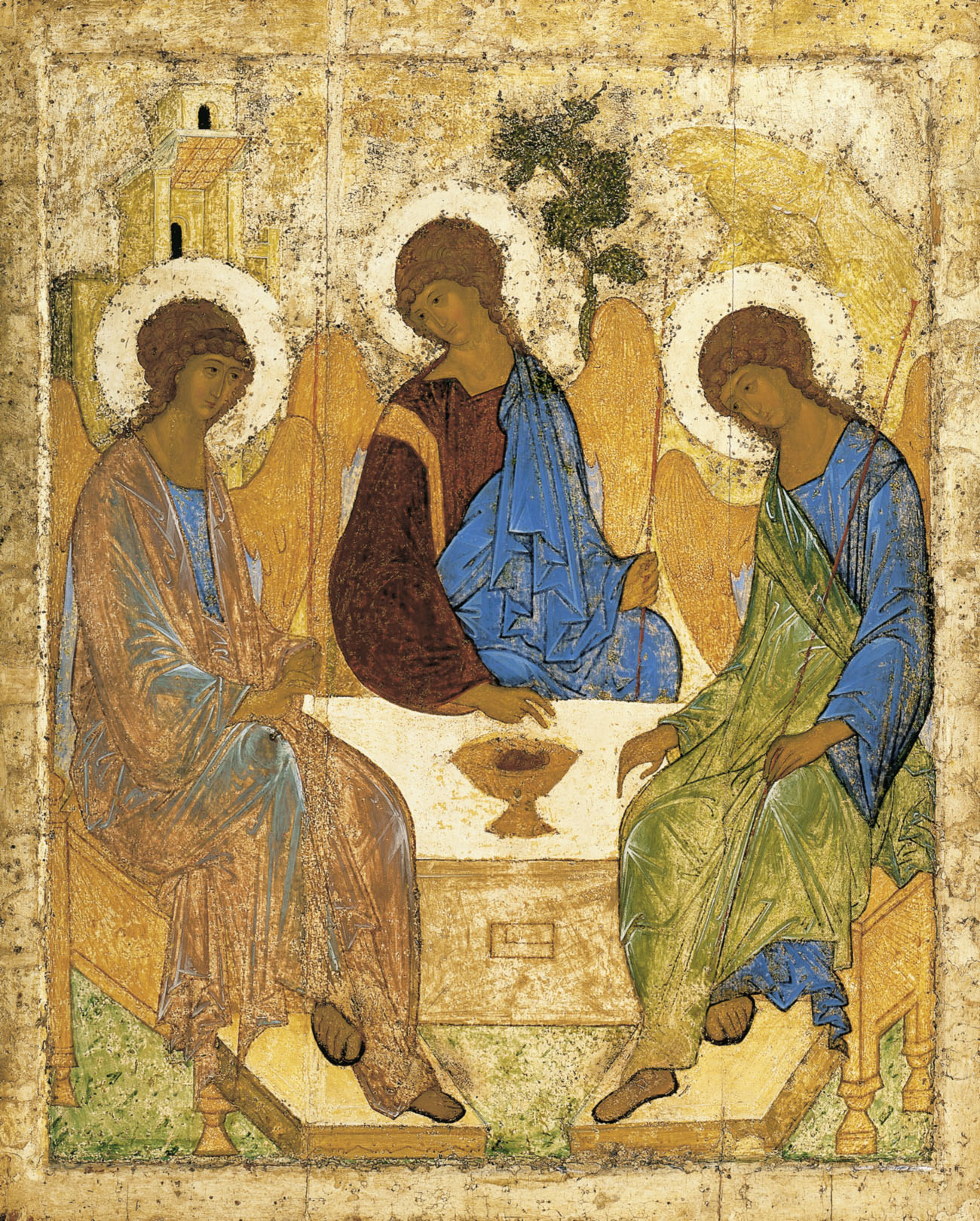
A 14th-Century Byzantine icon stolen from a Greek monastery 30 years ago has been returned to Athens from Britain - report from the BBC
Lecture to be held on Medieval Spain in Jacksonville
INTERNATIONALLY KNOWN SCHOLAR TO LECTURE ON CHRISTIAN/MUSLIM RELATIONS IN MEDIEVAL SPAIN
18 November 2008
US Fed News
Jacksonville State University issued the following news release: Dr. Anthony Lappin, former head of the Department of Spanish and Portuguese and current senior lecturer at the University of Manchester in England, will offer a public lecture on the 11th floor of the Houston Cole Library on December 2 at 6:30 p.m. It will be preceded by light refreshments courtesy of Phi Alpha Theta at 6:00 p.m. All are welcome.
Lecture overview: Peter the Venerable, visiting Toledo in 1123, was introduced by the Arabic-speaking Christians that lived in the city - its conquest from Muslim overlordship was still within living memory - to one of the most popular refutations of Islam, the so-called 'Letter of al-Kindi.' From this began a remarkable project to assemble authoritative texts about Islam: the first and perhaps finest translation of the Koran (done by the Englishman, Robert of Ketton) and various Muslim historical works, which were subsequently distributed across Europe from Cluny. This paper will trace the struggle by European Christians to produce an ever-more accurate picture of their Islamic enemy through increasingly encyclopedic collections of works from those beginnings in Toledo in the early twelfth century to the monumental summaries by Alonso de Espina in the fifteenth, and, in the Protestant renaissance, by Bibliander.
Dr Anthony John Lappin is Senior Lecturer in the School of Languages, Linguistics and Cultures of the University of Manchester, in the north of England. His main area of research is in ecclesiastical history and literature, with a particular interest in Hispano-Latin and early vernacular. Current projects include editions of medieval Hispano-Latin hagiography and the early history of the Dominican Order. He is also monographs editor for the Medium Aevum Society. Dr. Lappin did his Doctorate at the University of Oxford.
This lecture is sponsored by JSU and the Department of History and Foreign Languages, with the assistance of Phi Alpha Theta. For more information, contact Dr. Donald Prudlo at ext. 8244.
18 November 2008
US Fed News
Jacksonville State University issued the following news release: Dr. Anthony Lappin, former head of the Department of Spanish and Portuguese and current senior lecturer at the University of Manchester in England, will offer a public lecture on the 11th floor of the Houston Cole Library on December 2 at 6:30 p.m. It will be preceded by light refreshments courtesy of Phi Alpha Theta at 6:00 p.m. All are welcome.
Lecture overview: Peter the Venerable, visiting Toledo in 1123, was introduced by the Arabic-speaking Christians that lived in the city - its conquest from Muslim overlordship was still within living memory - to one of the most popular refutations of Islam, the so-called 'Letter of al-Kindi.' From this began a remarkable project to assemble authoritative texts about Islam: the first and perhaps finest translation of the Koran (done by the Englishman, Robert of Ketton) and various Muslim historical works, which were subsequently distributed across Europe from Cluny. This paper will trace the struggle by European Christians to produce an ever-more accurate picture of their Islamic enemy through increasingly encyclopedic collections of works from those beginnings in Toledo in the early twelfth century to the monumental summaries by Alonso de Espina in the fifteenth, and, in the Protestant renaissance, by Bibliander.
Dr Anthony John Lappin is Senior Lecturer in the School of Languages, Linguistics and Cultures of the University of Manchester, in the north of England. His main area of research is in ecclesiastical history and literature, with a particular interest in Hispano-Latin and early vernacular. Current projects include editions of medieval Hispano-Latin hagiography and the early history of the Dominican Order. He is also monographs editor for the Medium Aevum Society. Dr. Lappin did his Doctorate at the University of Oxford.
This lecture is sponsored by JSU and the Department of History and Foreign Languages, with the assistance of Phi Alpha Theta. For more information, contact Dr. Donald Prudlo at ext. 8244.
The Canterbury Tales...Hip Hop Style!
HIP-HOP MEETS THE MIDDLE AGES: THE RAP CANTERBURY TALES
20 November 2008
US Fed News
Baba Brinkman, hip-hop artist and medieval scholar, will perform his rap version of the "Canterbury Tales" at 4:30 pm on Monday, Dec. 1. The event is free, open to the public and will be held in the Construction and Engineering Hall at LaSells Stewart Center, 875 S.W. 26th St., Corvallis (Oregon State University).
Brinkman has performed his award-winning show at music festivals, universities and other venues around the world. He will highlight the parallels between the techniques used in modern hip-hop music and the most famous work from the Middle Ages, Geoffrey Chaucer's "Canterbury Tales. He also will demonstrate how this 600-year-old text anticipates current trends in rap music, including freestyle battle competitions.
Brinkman will discuss Chaucer's portrayals of the Miller, Wife of Bath, and Pardoner before performing original rap versions of each of those tales. The audience will gain a better understanding of hip-hop culture and its nuances, as well as Chaucer's text and its medieval contexts. Attendees will leave with a broader appreciation of how storytelling conventions and practices can cross geographical, temporal, and cultural boundaries. This event is sponsored by the OSU Dept. of English and Center for the Humanities
20 November 2008
US Fed News
Baba Brinkman, hip-hop artist and medieval scholar, will perform his rap version of the "Canterbury Tales" at 4:30 pm on Monday, Dec. 1. The event is free, open to the public and will be held in the Construction and Engineering Hall at LaSells Stewart Center, 875 S.W. 26th St., Corvallis (Oregon State University).
Brinkman has performed his award-winning show at music festivals, universities and other venues around the world. He will highlight the parallels between the techniques used in modern hip-hop music and the most famous work from the Middle Ages, Geoffrey Chaucer's "Canterbury Tales. He also will demonstrate how this 600-year-old text anticipates current trends in rap music, including freestyle battle competitions.
Brinkman will discuss Chaucer's portrayals of the Miller, Wife of Bath, and Pardoner before performing original rap versions of each of those tales. The audience will gain a better understanding of hip-hop culture and its nuances, as well as Chaucer's text and its medieval contexts. Attendees will leave with a broader appreciation of how storytelling conventions and practices can cross geographical, temporal, and cultural boundaries. This event is sponsored by the OSU Dept. of English and Center for the Humanities
Hallelujah: the British Choral Tradition - exhibit at Bodleian Library
One Thousand Years of British Choral tradition celebrated at the Bodleian Library
24 November 2008
M2 Presswire
The Bodleian winter exhibition 2008-09, Hallelujah: the British Choral Tradition, surveys the history of choral music in Britain from Middle Ages to the present day and its extraordinary contribution to our shared cultural heritage.
The exhibition includes a wide range of music masterpieces and features a number of manuscripts written by the composer's own hand. It also celebrates four composers with anniversaries in 2009 - Purcell, Handel, Haydn and Mendelssohn, all of whom made major contributions to the British choral scene.
The exhibition will feature many of the Bodleian's Musical highlights including autographs of Mendelssohn (Elijah), Elgar (The Kingdom), Vaughan Williams (An Oxford Elegy), Purcell (St Cecilia's Day Ode) and Walton. Other famous music manuscripts, such as Handel's conducting score of Messiah, the beautiful 11th-century Winchester Troper, and16th-century partbooks containing John Taverner's masses, will be on display. These will be complemented by a number of notable loans from other institutions including the famous Choirbook from Eton College, and autographs of Britten's War Requiem and Tippett's A Child of Our Time from the British Library.
Besides dealing with the music itself, the exhibition also features the performing institutions involved such as local choral foundations and choral societies, choral societies in Britain, Oxford choral societies in particular, and the Oxford and Cambridge choral foundations.
There are also sections devoted to particular themes such choral music publishing, the tonic solfa movement, and music festivals. One case in particular features Coronation music through the ages, including the autograph score of Hubert Parry's I was glad.
Richard Ovenden, Keeper of Special Collections and Associate Director, Bodleian Library, said: 'The Bodleian has been collecting music material for centuries Through supporting scholarship in Oxford's world-class Music Faculty and through supporting the rich music performance scene in and around Oxford, the Library has made a major impact on the British choral music scene. We are delighted to showcase this contribution in this exhibition.'
The exhibition is one of the two major exhibitions that the Bodleian Library organizes annually featuring distinctive items from its world-renowned collections. Hallelujah: the British Choral Tradition will be open from 28 November 2008 to 25 April 2009, Monday to Friday 9 a.m. to 5 p.m. and Saturday 9 a.m. to 4.30 p.m. in the Exhibition Room, Old Schools Quadrangle, Catte Street, Oxford. Admission is free.
24 November 2008
M2 Presswire
The Bodleian winter exhibition 2008-09, Hallelujah: the British Choral Tradition, surveys the history of choral music in Britain from Middle Ages to the present day and its extraordinary contribution to our shared cultural heritage.
The exhibition includes a wide range of music masterpieces and features a number of manuscripts written by the composer's own hand. It also celebrates four composers with anniversaries in 2009 - Purcell, Handel, Haydn and Mendelssohn, all of whom made major contributions to the British choral scene.
The exhibition will feature many of the Bodleian's Musical highlights including autographs of Mendelssohn (Elijah), Elgar (The Kingdom), Vaughan Williams (An Oxford Elegy), Purcell (St Cecilia's Day Ode) and Walton. Other famous music manuscripts, such as Handel's conducting score of Messiah, the beautiful 11th-century Winchester Troper, and16th-century partbooks containing John Taverner's masses, will be on display. These will be complemented by a number of notable loans from other institutions including the famous Choirbook from Eton College, and autographs of Britten's War Requiem and Tippett's A Child of Our Time from the British Library.
Besides dealing with the music itself, the exhibition also features the performing institutions involved such as local choral foundations and choral societies, choral societies in Britain, Oxford choral societies in particular, and the Oxford and Cambridge choral foundations.
There are also sections devoted to particular themes such choral music publishing, the tonic solfa movement, and music festivals. One case in particular features Coronation music through the ages, including the autograph score of Hubert Parry's I was glad.
Richard Ovenden, Keeper of Special Collections and Associate Director, Bodleian Library, said: 'The Bodleian has been collecting music material for centuries Through supporting scholarship in Oxford's world-class Music Faculty and through supporting the rich music performance scene in and around Oxford, the Library has made a major impact on the British choral music scene. We are delighted to showcase this contribution in this exhibition.'
The exhibition is one of the two major exhibitions that the Bodleian Library organizes annually featuring distinctive items from its world-renowned collections. Hallelujah: the British Choral Tradition will be open from 28 November 2008 to 25 April 2009, Monday to Friday 9 a.m. to 5 p.m. and Saturday 9 a.m. to 4.30 p.m. in the Exhibition Room, Old Schools Quadrangle, Catte Street, Oxford. Admission is free.
The Chester Cycle of Medieval Mystery Plays - London performance
MEDIEVAL MYSTERY PLAYS PERFORMED IN CITY
By Emma Foster
20 November 2008
Press Association Regional Newswire - London
A series of medieval mystery plays will be performed in the City of London this week. The Players of St Peter are performing The Chester Cycle of Medieval Mystery Plays at the Wren Church of St Clement Eastcheap, from November 24 to 28.
Laura Barber, the Players' publicity officer, said: "We are the only group of actors - or players - performing these pre-restoration Plays in the City of London. They date back to the 15th Century. These plays were taken from the Christian gospel but appeal to all who are interested in the theatre or, indeed, English history. We turn the fine Wren Church of St Clement's into a theatre for the duration of the performance week."
The mystery plays are an English tradition dating back to the Middle Ages. They were developed to present scenes from the bible at a time when few people could read. The Player's director Olive Stubbs said: "We will open with a prologue setting the basic theme of the creation and fall as Lucifer tempts man from original harmony with God. Our focus is then on the arrival of the Christ child into a busy imperial world with its impact felt on visionaries and local townsfolk alike. The famous Shepherds' play with its feast and fights and singing establishes the Christmas story in a local context. We then see Christ as an adult finding his identity by meeting the challenge of Lucifer and later - following his death - coming to release the good people of the past from the darkness of hell back into reunion with God. Finally Christ returns to his earthly companions to give them hope and purpose before ascending to the harmony of heaven himself in order to prepare a way for them. We hope that you will enjoy these plays as much as we do, and that they will provide a happy start to your Christmas season."
There will be two performances of each text per day in the church on Clement's Lane in the City of London at 6.30pm and 8.30pm. Tickets are priced £7.50 and £6 and there is a discount for students at the 8.30pm performance. For more information or to book tickets visit www.theplayersofstpeter.org.uk.
By Emma Foster
20 November 2008
Press Association Regional Newswire - London
A series of medieval mystery plays will be performed in the City of London this week. The Players of St Peter are performing The Chester Cycle of Medieval Mystery Plays at the Wren Church of St Clement Eastcheap, from November 24 to 28.
Laura Barber, the Players' publicity officer, said: "We are the only group of actors - or players - performing these pre-restoration Plays in the City of London. They date back to the 15th Century. These plays were taken from the Christian gospel but appeal to all who are interested in the theatre or, indeed, English history. We turn the fine Wren Church of St Clement's into a theatre for the duration of the performance week."
The mystery plays are an English tradition dating back to the Middle Ages. They were developed to present scenes from the bible at a time when few people could read. The Player's director Olive Stubbs said: "We will open with a prologue setting the basic theme of the creation and fall as Lucifer tempts man from original harmony with God. Our focus is then on the arrival of the Christ child into a busy imperial world with its impact felt on visionaries and local townsfolk alike. The famous Shepherds' play with its feast and fights and singing establishes the Christmas story in a local context. We then see Christ as an adult finding his identity by meeting the challenge of Lucifer and later - following his death - coming to release the good people of the past from the darkness of hell back into reunion with God. Finally Christ returns to his earthly companions to give them hope and purpose before ascending to the harmony of heaven himself in order to prepare a way for them. We hope that you will enjoy these plays as much as we do, and that they will provide a happy start to your Christmas season."
There will be two performances of each text per day in the church on Clement's Lane in the City of London at 6.30pm and 8.30pm. Tickets are priced £7.50 and £6 and there is a discount for students at the 8.30pm performance. For more information or to book tickets visit www.theplayersofstpeter.org.uk.
British finding more archaeological treasures
'DRAMATIC' RISE IN TREASURE FINDS
By Vicky Shaw
19 November 2008
Press Association National Newswire
There has been a "dramatic" increase in the number of treasure finds in the last year, a report said today. The Treasure Annual Report said that 747 objects were reported in 2007, up from 665 in 2006.
The 2005/06 report showed 1,257 finds in total were reported to the British Museum, the National Museums and Galleries of Wales and the Environment and Heritage Service, Northern Ireland. Culture minister Barbara Follett, who was at the British Museum in London for the launch of the report, said that programmes like Time Team owed a lot of their popularity to the way in which treasure finds have been formalised.
She also highlighted Rolling Stone Bill Wyman as an "obsessive treasure finder". Ms Follett said: "You wouldn't think he would be an obsessive treasure finder, but he is...It's very interesting to see people from right across society going to look for their past."
Wyman has a section dedicated to archaeology on his website, which talks about how he has created his own signature metal detector. Ms Follett told how as a child she once found a coin in a field in Essex. "I remember nobody knew what we had to do," she said. "Now there is a system in place."
The Treasure Act in 1996 ruled that finders and landowners would be eligible for rewards for finds. Since then, she said, museums had reported a 10-fold increase in the treasure items offered to them. Government agency the Museums, Libraries and Archives (MLA) has confirmed an allocation of £1.3 million this year to the Portable Antiquities Scheme (PAS) which encourages the public to report archaeological finds, rising to more than £1.4 million in 2010/11. She said: "I am very pleased that, thanks to the hard work of all those involved in the scheme, more archaeological material is now available for people to see in museums and galleries."
The year 2006 also saw an increase in donations of treasure finds to museums, following a Government initiative to encourage finders to gift their discoveries to local museums. In 2006, 44 finders donated finds to museums, up from 25 in the previous year. The museum said today that a wide number of significant objects had passed through the treasure process in 2005/06.
They include:
- An Iron Age Torc (200AD to 50BC) made from gold and silver. It was found in 2005 near Newark, Nottinghamshire, by a man searching for a crashed Second World War aircraft. It is the first time such an object has been found in this area, the museum said, forcing archaeologists to re-think the importance of the region 2,000 years ago. Valued at £350,000, the high status object has been acquired by Newark Heritage Service and is the most expensive single treasure find in recent history.
- A medieval silver seal matrix (13th century AD) found in Swanley, Kent, in 2005. It shows the only known surviving gem portrait of Roman Emperor Antoninus Pius, the successor to Hadrian. It was acquired by the British Museum for £2,750.
- A large Roman coin hoard found in Snodland, Kent, and deposited around 347AD. It consists of more than 3,600 coins and was found by a digger driver during a survey. The hoard is being investigated by the British Museum.
By Vicky Shaw
19 November 2008
Press Association National Newswire
There has been a "dramatic" increase in the number of treasure finds in the last year, a report said today. The Treasure Annual Report said that 747 objects were reported in 2007, up from 665 in 2006.
The 2005/06 report showed 1,257 finds in total were reported to the British Museum, the National Museums and Galleries of Wales and the Environment and Heritage Service, Northern Ireland. Culture minister Barbara Follett, who was at the British Museum in London for the launch of the report, said that programmes like Time Team owed a lot of their popularity to the way in which treasure finds have been formalised.
She also highlighted Rolling Stone Bill Wyman as an "obsessive treasure finder". Ms Follett said: "You wouldn't think he would be an obsessive treasure finder, but he is...It's very interesting to see people from right across society going to look for their past."
Wyman has a section dedicated to archaeology on his website, which talks about how he has created his own signature metal detector. Ms Follett told how as a child she once found a coin in a field in Essex. "I remember nobody knew what we had to do," she said. "Now there is a system in place."
The Treasure Act in 1996 ruled that finders and landowners would be eligible for rewards for finds. Since then, she said, museums had reported a 10-fold increase in the treasure items offered to them. Government agency the Museums, Libraries and Archives (MLA) has confirmed an allocation of £1.3 million this year to the Portable Antiquities Scheme (PAS) which encourages the public to report archaeological finds, rising to more than £1.4 million in 2010/11. She said: "I am very pleased that, thanks to the hard work of all those involved in the scheme, more archaeological material is now available for people to see in museums and galleries."
The year 2006 also saw an increase in donations of treasure finds to museums, following a Government initiative to encourage finders to gift their discoveries to local museums. In 2006, 44 finders donated finds to museums, up from 25 in the previous year. The museum said today that a wide number of significant objects had passed through the treasure process in 2005/06.
They include:
- An Iron Age Torc (200AD to 50BC) made from gold and silver. It was found in 2005 near Newark, Nottinghamshire, by a man searching for a crashed Second World War aircraft. It is the first time such an object has been found in this area, the museum said, forcing archaeologists to re-think the importance of the region 2,000 years ago. Valued at £350,000, the high status object has been acquired by Newark Heritage Service and is the most expensive single treasure find in recent history.
- A medieval silver seal matrix (13th century AD) found in Swanley, Kent, in 2005. It shows the only known surviving gem portrait of Roman Emperor Antoninus Pius, the successor to Hadrian. It was acquired by the British Museum for £2,750.
- A large Roman coin hoard found in Snodland, Kent, and deposited around 347AD. It consists of more than 3,600 coins and was found by a digger driver during a survey. The hoard is being investigated by the British Museum.
Stolen Byzantine icon is returned to Greece
14th-century stolen icon back in Greece
19 November 2008
Athens News Agency
A 14th-century Byzantine icon stolen from a Greek monastery in 1978 and returned to Greece this month was unveiled in Athens on Wednesday. The icon, which had turned up in London five years ago, will be kept at the Byzantine and Christian Museum in Athens to undergo preservation work before it is returned to the northern Greek province of Serres, from where it was stolen.
Presenting the icon, Culture Minister Mihalis Liapis said it was proof of the coordinated efforts of all those striving to preserve Greece's cultural heritage. The icon would be returned to its place of origin, he added, because the ministry was determined not to encourage a form of "domestic Elginism" where displaced artifacts were retained by central authorities.
The icon would be returned after the monastery from which it was stolen was equipped with an adequate security system, he added. The stolen icon, originally painted using the Serres technique, had been cut in two by the thieves so that it could be taken out of the country and painted over before it was sold on the market. It is also considered to be two-sided, meaning that one side may still be in the hands of antiquities smugglers.
Information on the specific icon was given in November 2002 by the curator of the Benaki Museum in Athens Angelos Delivorias, after he was informed that it was up for sale by Ioannis Petsopoulos, acting as an agent for a "private collector" who had the icon in his possession.
The Greek Embassy in London had then asked the trader to assist in the investigation by sending any evidence at his disposal that would enable Greek authorities to apply for its return using legal and diplomatic channels. The affair led to the conviction of those responsible for stealing the icon and it was finally returned on November 16, 2008.
After 30 years, Greece welcomes back stolen icon: Detective work and British judges close case of missing Byzantine masterpiece
Helena Smith
20 November 2008
The Guardian
A stolen icon, considered one of the finest examples of Byzantine art, was back in Greece yesterday after decades of police work, diplomacy and, finally, a key ruling by the high court in London. The recovery of the piece, believed to have been painted by a master iconographer in the 14th century and depicting the removal of Christ's body from the cross, came 30 years after it was stolen from a monastery in northern Greece. "The battle to crush the smuggling of antiquities requires patience and toil - today this icon proves that when action is coordinated, it brings positive results," said the Greek culture minister, Michalis Liapis, at a ceremony to welcome the priceless piece.
The icon is thought to have originally been a gift by the emperor Andronikos Palaeologos to the monastery of Timios Prodromos in Serres. There it survived Ottoman rule and invasions by Serbian, Bulgarian and German forces, until looters stormed the monastery in 1978. It emerged in London in 1980 when a British Byzantinist, Professor Robin Cormack, spotted it in a suitcase in a restorer's atelier. It had been touched up by the looters to make it more saleable in the underground art market.
"It had been cut in two by the looters. Seeing what it was, Robin realised it must have been stolen and advised them to return it to Greece," said the cultural attache at the Greek embassy in London, Victoria Solomonides, who travelled with the icon to Greece. "That did not happen and 10 years later the plot thickened when he was called by the British Museum to value an icon. It was the same one."
On the advice of Cormack, curator of the Byzantium exhibition currently on at the Royal Academy of Arts, the British Museum decided not to buy the icon. Then, in 2002, a London-based Greek art dealer, representing a Greek collector in London, offered to sell it to the Benakis Museum in Athens for pounds 500,000. "When a Byzantine art historian saw what it was, the Greek authorities and Interpol were alerted, and the Metropolitan police called in," said Solomonides. Six weeks ago, the high court ruled that the illegally imported item should be returned to Greece. This time, a state of the art alarm system at the monastery will guard it.
19 November 2008
Athens News Agency
A 14th-century Byzantine icon stolen from a Greek monastery in 1978 and returned to Greece this month was unveiled in Athens on Wednesday. The icon, which had turned up in London five years ago, will be kept at the Byzantine and Christian Museum in Athens to undergo preservation work before it is returned to the northern Greek province of Serres, from where it was stolen.
Presenting the icon, Culture Minister Mihalis Liapis said it was proof of the coordinated efforts of all those striving to preserve Greece's cultural heritage. The icon would be returned to its place of origin, he added, because the ministry was determined not to encourage a form of "domestic Elginism" where displaced artifacts were retained by central authorities.
The icon would be returned after the monastery from which it was stolen was equipped with an adequate security system, he added. The stolen icon, originally painted using the Serres technique, had been cut in two by the thieves so that it could be taken out of the country and painted over before it was sold on the market. It is also considered to be two-sided, meaning that one side may still be in the hands of antiquities smugglers.
Information on the specific icon was given in November 2002 by the curator of the Benaki Museum in Athens Angelos Delivorias, after he was informed that it was up for sale by Ioannis Petsopoulos, acting as an agent for a "private collector" who had the icon in his possession.
The Greek Embassy in London had then asked the trader to assist in the investigation by sending any evidence at his disposal that would enable Greek authorities to apply for its return using legal and diplomatic channels. The affair led to the conviction of those responsible for stealing the icon and it was finally returned on November 16, 2008.
After 30 years, Greece welcomes back stolen icon: Detective work and British judges close case of missing Byzantine masterpiece
Helena Smith
20 November 2008
The Guardian
A stolen icon, considered one of the finest examples of Byzantine art, was back in Greece yesterday after decades of police work, diplomacy and, finally, a key ruling by the high court in London. The recovery of the piece, believed to have been painted by a master iconographer in the 14th century and depicting the removal of Christ's body from the cross, came 30 years after it was stolen from a monastery in northern Greece. "The battle to crush the smuggling of antiquities requires patience and toil - today this icon proves that when action is coordinated, it brings positive results," said the Greek culture minister, Michalis Liapis, at a ceremony to welcome the priceless piece.
The icon is thought to have originally been a gift by the emperor Andronikos Palaeologos to the monastery of Timios Prodromos in Serres. There it survived Ottoman rule and invasions by Serbian, Bulgarian and German forces, until looters stormed the monastery in 1978. It emerged in London in 1980 when a British Byzantinist, Professor Robin Cormack, spotted it in a suitcase in a restorer's atelier. It had been touched up by the looters to make it more saleable in the underground art market.
"It had been cut in two by the looters. Seeing what it was, Robin realised it must have been stolen and advised them to return it to Greece," said the cultural attache at the Greek embassy in London, Victoria Solomonides, who travelled with the icon to Greece. "That did not happen and 10 years later the plot thickened when he was called by the British Museum to value an icon. It was the same one."
On the advice of Cormack, curator of the Byzantium exhibition currently on at the Royal Academy of Arts, the British Museum decided not to buy the icon. Then, in 2002, a London-based Greek art dealer, representing a Greek collector in London, offered to sell it to the Benakis Museum in Athens for pounds 500,000. "When a Byzantine art historian saw what it was, the Greek authorities and Interpol were alerted, and the Metropolitan police called in," said Solomonides. Six weeks ago, the high court ruled that the illegally imported item should be returned to Greece. This time, a state of the art alarm system at the monastery will guard it.
Monday, November 17, 2008
How Medieval Manuscripts Impact Iceland's National Identity
Scholar To Discuss Manuscripts at CLU
13 November 2008
Targeted News Service
California Lutheran University issued the following news release: A Scandinavian scholar will discuss why old incomplete copies of medieval manuscripts have been lauded as Iceland's national treasure at 7:30 p.m. Friday, Nov. 21, at California Lutheran University.
Elisabeth I. Ward-Hightower will give a presentation titled "How Medieval Manuscripts Impact Iceland's National Identity" in the Roth Nelson Room as part of the American Scandinavian Foundation Lecture Series.
Ward-Hightower, a graduate student at University of California, Berkeley, will address how moldy, non-illustrated copies of copies became, and continue to be, a part of a larger process to create a strong Icelandic national identity. Starting with why and how the sagas were first written down in the 13th century, she will follow the fate of the manuscripts through the reawakening of interest in the 17th century and the nationalistic fervor of the late 19th and early 20th centuries to their role today, especially in the tourism sector.
Ward-Hightower, who is half-Icelandic, just completed a one-year American Scandinavian Foundation Fellowship in Iceland. She also consults with museums on Viking Age projects, including the Smithsonian exhibit titled "Vikings: The North Atlantic Saga."
The American Scandinavian Foundation of Thousand Oaks and CLU's History Department are sponsoring the free presentation. For more information, contact Anita Londgren at (805) 241-1051.
13 November 2008
Targeted News Service
California Lutheran University issued the following news release: A Scandinavian scholar will discuss why old incomplete copies of medieval manuscripts have been lauded as Iceland's national treasure at 7:30 p.m. Friday, Nov. 21, at California Lutheran University.
Elisabeth I. Ward-Hightower will give a presentation titled "How Medieval Manuscripts Impact Iceland's National Identity" in the Roth Nelson Room as part of the American Scandinavian Foundation Lecture Series.
Ward-Hightower, a graduate student at University of California, Berkeley, will address how moldy, non-illustrated copies of copies became, and continue to be, a part of a larger process to create a strong Icelandic national identity. Starting with why and how the sagas were first written down in the 13th century, she will follow the fate of the manuscripts through the reawakening of interest in the 17th century and the nationalistic fervor of the late 19th and early 20th centuries to their role today, especially in the tourism sector.
Ward-Hightower, who is half-Icelandic, just completed a one-year American Scandinavian Foundation Fellowship in Iceland. She also consults with museums on Viking Age projects, including the Smithsonian exhibit titled "Vikings: The North Atlantic Saga."
The American Scandinavian Foundation of Thousand Oaks and CLU's History Department are sponsoring the free presentation. For more information, contact Anita Londgren at (805) 241-1051.
Medieval stained glass windows returned to Germany
Medieval stained glass windows returned
14 November 2008
Associated Press Newswires
The last panels in a set of 14th-century stained glass windows seized by Soviet soldiers after World War II will be returned soon to a German church, the government said Friday.
The six panels were taken from Marienkirche church in the city of Frankfurt an der Oder, near the Polish border, and held in Moscow's Pushkin Museum of Fine Arts for more than 60 years.
In 2002, Russia returned the other 111 stained-glass panels from the church's 65-foot-high (20-meter-high) altar that had also been taken. That batch of panels had been held in the Hermitage Museum in St. Petersburg.
Russia's parliament voted earlier this year to return the remaining panels, all of which make up a picture Bible -- most churchgoers of the time were illiterate.
Germany's culture ministry said they are to be handed back to the church on Monday.
Russia and Germany have long sparred over thousands of valuable objects taken from Germany in the waning days of World War II. Germany and other countries have pressed for the return of such objects, which they argue were taken illegally. But Russia has proclaimed that the art was seized as rightful retribution for the 27 million Soviet lives lost, 100 museums destroyed and utter ruin of entire cities during the conflict it calls the Great Patriotic War.
Russia has urged Germany to search for and return Russian art seized by the Nazis, and the two nations have accelerated exchanges of looted art in recent years.
14 November 2008
Associated Press Newswires
The last panels in a set of 14th-century stained glass windows seized by Soviet soldiers after World War II will be returned soon to a German church, the government said Friday.
The six panels were taken from Marienkirche church in the city of Frankfurt an der Oder, near the Polish border, and held in Moscow's Pushkin Museum of Fine Arts for more than 60 years.
In 2002, Russia returned the other 111 stained-glass panels from the church's 65-foot-high (20-meter-high) altar that had also been taken. That batch of panels had been held in the Hermitage Museum in St. Petersburg.
Russia's parliament voted earlier this year to return the remaining panels, all of which make up a picture Bible -- most churchgoers of the time were illiterate.
Germany's culture ministry said they are to be handed back to the church on Monday.
Russia and Germany have long sparred over thousands of valuable objects taken from Germany in the waning days of World War II. Germany and other countries have pressed for the return of such objects, which they argue were taken illegally. But Russia has proclaimed that the art was seized as rightful retribution for the 27 million Soviet lives lost, 100 museums destroyed and utter ruin of entire cities during the conflict it calls the Great Patriotic War.
Russia has urged Germany to search for and return Russian art seized by the Nazis, and the two nations have accelerated exchanges of looted art in recent years.
More discoveries from tunnel excavation underneath Istanbul
TUNNEL DIGGING REVEALS NEW CHAPTER IN ISTANBUL'S HISTORY
11 November 2008
Indo-Asian News Service
The chance uncovering of 8,000-year-old human urns, ashes, clothes and utensils while digging for an undersea metro tunnel in Istanbul is a stunning find that throws new light on the historic past of the Turkish capital, say archaeologists.
As a result, heavy machines have been stopped from digging into this part of the tunnel, being built under the Bosporus or Istanbul Strait to connect the Asian and European parts of this city.
Once the seat of the Roman, Byzantine and Ottoman empires, Istanbul is said to be the third largest city of the world today with a population of more than 11 million.
Ismail Karamut, director of Istanbul Archaeology Museum, told the local Hurriyet Daily News the urns and other artefacts uncovered during the digging were "extremely important".
Besides the urns, the excavation has uncovered ashes wrapped in cloth, used clothes and other belongings of the dead. One urn contained the skeleton of a baby. Experts believe it was very likely that this area was a burial site, the newspaper said.
Archeologists said the findings reveal that Istanbul had a thriving human settlement much before the Roman, Byzantine and Ottoman Empires.
Terming them as sensational, associate professor Necmi Karul, branch chairperson for the Archeologists Community in Istanbul, said: "In Anatolian archaeology, there were no urn burials from the Neolithic Age. It is definitely a burial site because they are side by side. They date back to 5800-6000 BC, the last of the Neolithic Age".
Karamut said permission for use of heavy machines for the digging of the tunnel would be given at a later date when the excavation work was over.
Ever since work on this ambitious Turkish project started a few years ago, an archaeological treasure trove has been unearthed - like an intact 1,000-year old wooden boat. But the latest finding has surpassed them all.
The tunnel under Bosporus is being constructed to meet the heavy traffic need of this burgeoning metropolis, which has the rare distinction of being spread over two continents -- Asia and Europe.
Right now, two bridges - the 1,074-metre-long Bosporus Bridge built in 1973 and the 1,090-meter-long Fatih Sultan Mehmet Bridge constructed in 1988 - connect the two parts of Istanbul separated by Bosporus.
Plans are also afoot for a third bridge while the construction on this 13.7-km-long undersea metro tunnel is expected to be over by 2012. Being built at an estimated cost of more than $3.5 billion, it would be one of the world's deepest tube tunnels once completed, at 75 metres below sea level.
11 November 2008
Indo-Asian News Service
The chance uncovering of 8,000-year-old human urns, ashes, clothes and utensils while digging for an undersea metro tunnel in Istanbul is a stunning find that throws new light on the historic past of the Turkish capital, say archaeologists.
As a result, heavy machines have been stopped from digging into this part of the tunnel, being built under the Bosporus or Istanbul Strait to connect the Asian and European parts of this city.
Once the seat of the Roman, Byzantine and Ottoman empires, Istanbul is said to be the third largest city of the world today with a population of more than 11 million.
Ismail Karamut, director of Istanbul Archaeology Museum, told the local Hurriyet Daily News the urns and other artefacts uncovered during the digging were "extremely important".
Besides the urns, the excavation has uncovered ashes wrapped in cloth, used clothes and other belongings of the dead. One urn contained the skeleton of a baby. Experts believe it was very likely that this area was a burial site, the newspaper said.
Archeologists said the findings reveal that Istanbul had a thriving human settlement much before the Roman, Byzantine and Ottoman Empires.
Terming them as sensational, associate professor Necmi Karul, branch chairperson for the Archeologists Community in Istanbul, said: "In Anatolian archaeology, there were no urn burials from the Neolithic Age. It is definitely a burial site because they are side by side. They date back to 5800-6000 BC, the last of the Neolithic Age".
Karamut said permission for use of heavy machines for the digging of the tunnel would be given at a later date when the excavation work was over.
Ever since work on this ambitious Turkish project started a few years ago, an archaeological treasure trove has been unearthed - like an intact 1,000-year old wooden boat. But the latest finding has surpassed them all.
The tunnel under Bosporus is being constructed to meet the heavy traffic need of this burgeoning metropolis, which has the rare distinction of being spread over two continents -- Asia and Europe.
Right now, two bridges - the 1,074-metre-long Bosporus Bridge built in 1973 and the 1,090-meter-long Fatih Sultan Mehmet Bridge constructed in 1988 - connect the two parts of Istanbul separated by Bosporus.
Plans are also afoot for a third bridge while the construction on this 13.7-km-long undersea metro tunnel is expected to be over by 2012. Being built at an estimated cost of more than $3.5 billion, it would be one of the world's deepest tube tunnels once completed, at 75 metres below sea level.
Thursday, November 13, 2008
Fordham Professor Decodes Hidden Messages in Medieval Text
A Monk and His Manuscript: Fordham Professor Decodes Hidden Messages in Medieval Text
By Patrick Verel
Fordham University
October 14, 2008
Fordham students and faculty took a jaunt through 11th century Germany on Thursday, Sept. 11, in the Center for Medieval Studies’ first lecture of the fall semester.
The presentation, “Abbot Ellinger of Tegernsee: In Exile, in Pain and in German,” given by Susanne Hafner, Ph.D., focused on details about the abbot that he himself included in one of his manuscripts. Hafner, an assistant professor of German, said she learned much about Ellinger through the medieval text, known to scholars as HRC 29.
Speaking from the O’Hare Special Collections Room in the William D. Walsh Family Library, she explained that the abbot had at one point been banished to Niederaltaich, a Benedictine monastery on the East Bavarian frontier where there was little to do but mill about the library. The reasons for his banishment are unclear, but are said to be linked to his irascible nature.
A possible explanation for his irritability may appear the margins of the Latin-penned HRC 29, Hafner said. It was there that Ellinger wrote, in his native language of Old High German, prescriptions for ailments such as stomachaches, headaches, dropsy and no less than seven different treatments for dolor testiculorum.
It is not known whether he followed all of them, as they often included hazardous substances, she said. But the fact that he used a translation that was unlikely to be mistaken showed how serious he was about the remedies.
“Ellinger, a highly educated man and abbot of one of the cultural centers of Carolingian Europe, was well versed in Latin and Greek, both of which he used in HRC 29,” she said. “But when the issue was personal rather than academic, he felt the need to verify his vocabulary.”
Although HRC 29 mostly included copies of books that had been destroyed when Tegernsee was sacked by Hungarians in 907, Hafner noted that, like Ellinger’s fellow scribes, he made a sport of adding notes—often written in code—using runes, Greek letters, acrostics, or glosses scratched into the parchment.
“Claiming authorship of his codex seemed to have been particularly important to him. In addition to the colophon, he left his name in the margins, twice, in code,” Hafner said.
Analyzing writings such as these help scholars better understand Europe in its pre-Christian, pagan heritage.
“Talking about this manuscript is a homecoming in more ways that one for me, because it was written in the monastery of Niederaltaich, which happens to be right next to the little town in the Bavarian Forest where I grew up,” she said.
Hafner found the medieval document in the archives of the University of Texas at Austin, where she worked before joining the Fordham faculty last year.
“I am still humbled by this act of divine providence, which had the codex written—for me, as I would like to think—a thousand years ago, then safely tucked away: first in a Benedictine library; then in a private collection; and then deep in the heart of Texas.”
By Patrick Verel
Fordham University
October 14, 2008
Fordham students and faculty took a jaunt through 11th century Germany on Thursday, Sept. 11, in the Center for Medieval Studies’ first lecture of the fall semester.
The presentation, “Abbot Ellinger of Tegernsee: In Exile, in Pain and in German,” given by Susanne Hafner, Ph.D., focused on details about the abbot that he himself included in one of his manuscripts. Hafner, an assistant professor of German, said she learned much about Ellinger through the medieval text, known to scholars as HRC 29.
Speaking from the O’Hare Special Collections Room in the William D. Walsh Family Library, she explained that the abbot had at one point been banished to Niederaltaich, a Benedictine monastery on the East Bavarian frontier where there was little to do but mill about the library. The reasons for his banishment are unclear, but are said to be linked to his irascible nature.
A possible explanation for his irritability may appear the margins of the Latin-penned HRC 29, Hafner said. It was there that Ellinger wrote, in his native language of Old High German, prescriptions for ailments such as stomachaches, headaches, dropsy and no less than seven different treatments for dolor testiculorum.
It is not known whether he followed all of them, as they often included hazardous substances, she said. But the fact that he used a translation that was unlikely to be mistaken showed how serious he was about the remedies.
“Ellinger, a highly educated man and abbot of one of the cultural centers of Carolingian Europe, was well versed in Latin and Greek, both of which he used in HRC 29,” she said. “But when the issue was personal rather than academic, he felt the need to verify his vocabulary.”
Although HRC 29 mostly included copies of books that had been destroyed when Tegernsee was sacked by Hungarians in 907, Hafner noted that, like Ellinger’s fellow scribes, he made a sport of adding notes—often written in code—using runes, Greek letters, acrostics, or glosses scratched into the parchment.
“Claiming authorship of his codex seemed to have been particularly important to him. In addition to the colophon, he left his name in the margins, twice, in code,” Hafner said.
Analyzing writings such as these help scholars better understand Europe in its pre-Christian, pagan heritage.
“Talking about this manuscript is a homecoming in more ways that one for me, because it was written in the monastery of Niederaltaich, which happens to be right next to the little town in the Bavarian Forest where I grew up,” she said.
Hafner found the medieval document in the archives of the University of Texas at Austin, where she worked before joining the Fordham faculty last year.
“I am still humbled by this act of divine providence, which had the codex written—for me, as I would like to think—a thousand years ago, then safely tucked away: first in a Benedictine library; then in a private collection; and then deep in the heart of Texas.”
Medieval Leper Stories Shrouded in Myth and Misunderstanding
Medieval Leper Stories Shrouded in Myth and Misunderstanding
Fordham University Press Release
November 2008
The image of a medieval leper cast into the wilds of the forest, doomed to wander alone outside of the protective walls of the city, is a popular one, and can be found in popular representations to this day.
It is also complete fiction, said Carole Rawcliffe, Ph.D., professor of history at University of East Anglia in England. Rawcliffe demolished the commonly held perception that medieval lepers were outcasts in “Outside the Camp? Inventing the Medieval Leper,” a presentation she gave on Nov. 6 at the Walsh Family Library on the Rose Hill campus.
“This idea that they were completely confined or excluded is wrong,” she said. “The provision of proper physical and spiritual services for such people—as well as for the sick in general—became a growing priority, soon to be enshrined in canon law.”
Rawcliffe, who drew upon her book Leprosy in Medieval England (Boydell Press, 2006), used overhead projections to show representations of how those suffering from leprosy, or Hanson’s Disease as it is now known, were incorrectly said to have been treated. In particular, Villagers Scrambling to Get Away from a Leper, a 1912 watercolor by Richard Tennant Cooper that shows an entire village recoiling in fear from a hooded leper, has found a receptive audience.
“[The artwork] is especially beloved of paleopathologists, who use it to provide a historical context for skeletal analysis; but it also crops up regularly in books for the popular market,” she said. “We can find it, for example, in the recent Plague, Pox and Pestilence, a glossy and profusely illustrated history of epidemics aimed at the general reader. The accompanying text observes grimly that ‘the world of the medieval leper was outside the safety of walled cities and towns, a world belonging to bandits and other wild creatures.’”

Though her research, Rawcliffe has found that in fact, in the early 1300s, there were as many as 320 houses spread around England that were built expressly to care for lepers. Although they were located at the edge of towns and in suburbs, they were far from dismal flophouses.
Some of these so-called lepers were probably suffering from diseases other than Hanson’s Disease, but Rawcliffe said she was more interested in how people reacted to what they perceived to be this affliction, which receives plenty of attention in the Bible.
“The prayers of the leper were supposed to be particularly efficacious because Christ had loved the leper. So if you wanted to set up a charitable institution and whiz through Purgatory at record speed, then a leper hospital offered you a good bet,” she said.
“It’s also easy to forget what dominant landmarks they were in the urban geography. They were what you saw when you entered a city, and they’re advertising the fact that they’re not trying to drive the leper away,” she said.
When the Bubonic Plague swept Europe in the late 13th century, apprehension about possibly infectious lepers developed, but Rawcliffe said that even then, those cast out of communities were often scapegoats on the socioeconomic fringes, and not limited to those actually suffering from leprosy.
In that regard, she compared it unfavorably to the recent scares affiliated with AIDS and cancer, the former of which she came across often while working on her book.
“So much of the writing on AIDS at the time referred to it as being like the new leprosy, because over and over again, victims of the disease would say we’re like the new medieval leper. And I thought, ‘If only you were, because you’d get a much more sympathetic attitude,” she said.
“We have this tendency to see the medieval as somehow superstitious and retrograde, but a lot of modern responses to disease are much less sympathetic than those in the Middle Ages,” she said. “That element of reflective-ness about disease is gone. People today tend to see disease in a very mechanistic fashion.”
Fordham University Press Release
November 2008
The image of a medieval leper cast into the wilds of the forest, doomed to wander alone outside of the protective walls of the city, is a popular one, and can be found in popular representations to this day.
It is also complete fiction, said Carole Rawcliffe, Ph.D., professor of history at University of East Anglia in England. Rawcliffe demolished the commonly held perception that medieval lepers were outcasts in “Outside the Camp? Inventing the Medieval Leper,” a presentation she gave on Nov. 6 at the Walsh Family Library on the Rose Hill campus.
“This idea that they were completely confined or excluded is wrong,” she said. “The provision of proper physical and spiritual services for such people—as well as for the sick in general—became a growing priority, soon to be enshrined in canon law.”
Rawcliffe, who drew upon her book Leprosy in Medieval England (Boydell Press, 2006), used overhead projections to show representations of how those suffering from leprosy, or Hanson’s Disease as it is now known, were incorrectly said to have been treated. In particular, Villagers Scrambling to Get Away from a Leper, a 1912 watercolor by Richard Tennant Cooper that shows an entire village recoiling in fear from a hooded leper, has found a receptive audience.
“[The artwork] is especially beloved of paleopathologists, who use it to provide a historical context for skeletal analysis; but it also crops up regularly in books for the popular market,” she said. “We can find it, for example, in the recent Plague, Pox and Pestilence, a glossy and profusely illustrated history of epidemics aimed at the general reader. The accompanying text observes grimly that ‘the world of the medieval leper was outside the safety of walled cities and towns, a world belonging to bandits and other wild creatures.’”
Though her research, Rawcliffe has found that in fact, in the early 1300s, there were as many as 320 houses spread around England that were built expressly to care for lepers. Although they were located at the edge of towns and in suburbs, they were far from dismal flophouses.
Some of these so-called lepers were probably suffering from diseases other than Hanson’s Disease, but Rawcliffe said she was more interested in how people reacted to what they perceived to be this affliction, which receives plenty of attention in the Bible.
“The prayers of the leper were supposed to be particularly efficacious because Christ had loved the leper. So if you wanted to set up a charitable institution and whiz through Purgatory at record speed, then a leper hospital offered you a good bet,” she said.
“It’s also easy to forget what dominant landmarks they were in the urban geography. They were what you saw when you entered a city, and they’re advertising the fact that they’re not trying to drive the leper away,” she said.
When the Bubonic Plague swept Europe in the late 13th century, apprehension about possibly infectious lepers developed, but Rawcliffe said that even then, those cast out of communities were often scapegoats on the socioeconomic fringes, and not limited to those actually suffering from leprosy.
In that regard, she compared it unfavorably to the recent scares affiliated with AIDS and cancer, the former of which she came across often while working on her book.
“So much of the writing on AIDS at the time referred to it as being like the new leprosy, because over and over again, victims of the disease would say we’re like the new medieval leper. And I thought, ‘If only you were, because you’d get a much more sympathetic attitude,” she said.
“We have this tendency to see the medieval as somehow superstitious and retrograde, but a lot of modern responses to disease are much less sympathetic than those in the Middle Ages,” she said. “That element of reflective-ness about disease is gone. People today tend to see disease in a very mechanistic fashion.”
Monday, November 03, 2008
Sunday, November 02, 2008
Treasured Possession: Jews and Christians in a Medieval City
SPECIAL SYMPOSIUM AT YU MUSEUM AND METROPOLITAN MUSEUM OF ART WILL SHED FURTHER LIGHT ON JEWS AND CHRISTIANS IN MEDIEVAL PERIOD
30 October 2008
States News Service
A two-day symposium, 'Treasured Possession: Jews and Christians in a Medieval City,' co-sponsored by the Yeshiva University Museum and the Metropolitan Museum of Art, will look at various aspects of medieval culture Nov 5-6. The special symposium is in conjunction with 'Erfurt: Jewish Treasure from Medieval Ashkenaz' on view until Jan. 29 at the YU Museum, the only North American venue for this exhibition of medieval gold and silver jewelry, tableware, and rare coins, culled from a personal treasure hoard.
The first part of the symposium, on Nov. 5 at the YU Museum, will feature a lecture, 'Sefer Hasidim: A Brief Talk on a Strange Book from Nowhere,' by Haym Soloveitchik, an expert on Jewish medieval history, a distinguished Talmudist and the Merkin Family Professor of Jewish History and Literature at Yeshiva University. There will also be a performance of medieval music by Duo Marchand, consisting of Marcia Young, director of performance studies at Stern College for Women, on voice and medieval harp and Andy Rutherford on medieval lute.
This will be followed by a viewing of the Erfurt exhibit, which offers a glimpse into Jewish life and culture in medieval Europe. A half-day conference on November 6 at the Metropolitan Museum of Art will explore cultural interactions during medieval times with presentations on metalwork, architecture, and sculpture.
Speakers will include Barbara Drake Boehm, curator in the Department of Medieval Art and the Cloisters Museum and Gardens, the Metropolitan Museum of Art; Vivian B. Mann, director of the master's program in Jewish art at the Graduate School of the Jewish Theological Seminary and curator emerita at the Jewish Museum; Carol Herselle Krinsky, professor of art history at New York University; and Nina Rowe, assistant professor of art history at Fordham University. The sessions will be moderated by Jacob Wisse, associate professor of art at Stern College.
30 October 2008
States News Service
A two-day symposium, 'Treasured Possession: Jews and Christians in a Medieval City,' co-sponsored by the Yeshiva University Museum and the Metropolitan Museum of Art, will look at various aspects of medieval culture Nov 5-6. The special symposium is in conjunction with 'Erfurt: Jewish Treasure from Medieval Ashkenaz' on view until Jan. 29 at the YU Museum, the only North American venue for this exhibition of medieval gold and silver jewelry, tableware, and rare coins, culled from a personal treasure hoard.
The first part of the symposium, on Nov. 5 at the YU Museum, will feature a lecture, 'Sefer Hasidim: A Brief Talk on a Strange Book from Nowhere,' by Haym Soloveitchik, an expert on Jewish medieval history, a distinguished Talmudist and the Merkin Family Professor of Jewish History and Literature at Yeshiva University. There will also be a performance of medieval music by Duo Marchand, consisting of Marcia Young, director of performance studies at Stern College for Women, on voice and medieval harp and Andy Rutherford on medieval lute.
This will be followed by a viewing of the Erfurt exhibit, which offers a glimpse into Jewish life and culture in medieval Europe. A half-day conference on November 6 at the Metropolitan Museum of Art will explore cultural interactions during medieval times with presentations on metalwork, architecture, and sculpture.
Speakers will include Barbara Drake Boehm, curator in the Department of Medieval Art and the Cloisters Museum and Gardens, the Metropolitan Museum of Art; Vivian B. Mann, director of the master's program in Jewish art at the Graduate School of the Jewish Theological Seminary and curator emerita at the Jewish Museum; Carol Herselle Krinsky, professor of art history at New York University; and Nina Rowe, assistant professor of art history at Fordham University. The sessions will be moderated by Jacob Wisse, associate professor of art at Stern College.
Bisanzio, Costantinopoli, Istanbul, edited by Jaca Book
BYZANTIUM TO ISTANBUL, A CITYÆS MILLENARY HISTORY.
31 October 2008
ANSA - English Corporate News Service
Bisanzio, Costantinopoli, Istanbul, a book curated by Tania Velmans and edited by Jaca Book was presented today in Rome at an event sponsored by the Office for Culture and Information of the Italian Embassy. The book, with more than 400 pages and many, many photographs and illustrations, is a salute to Turkish metropolis and its history which through the centuries has left a mark not only in the area but in the entire Mediterranean.
The volume contains contributions by Vittorio Franchetti Pardo (the historic-urban profile of the Imperial capital, from the origins to Giustinian), Eugenio Russo (architecture and sculpture in the first centuries), by the curator Tania Velmans (Byzantine painting, mosaics, frescos, icons and miniatures), Mauro Della Valle (architecture and sculpture up until 1453), Cigdem Kafescioglu (the capital of the Ottoman Empire, Istanbul between the XV and XVIII centuries), Giovanna Curatola (religious Ottoman architecture), Roberto Cassanelli (the autumn of Constantinople). A history of millenniums that made the city the heir of Rome on one side, and of the Greek and Hellenic world on the other, enriched with an amazing number of palaces, churches, places for entertainment . A history that is also the history of the places, each with a past to recount, like in the case of the largest Constantine basilica, the Santa Sofia. Always the most important religious centre in the city, it became the centre of Christian Greek Orthodoxy . But then, when the Ottomans came to power, it became a mosque, becoming the architectural model for many Islamic religious centres . However, giving the history, in a large volume with quality illustrations, of a city that has made history isn t easy due to the very many facets it has acquired over the course of the centuries which risks making even the most superficial research very difficult. On the other hand, the volume compiled by Tania Velmans is able to offer a sum of great value (from the point of view of historical analysis, architecture and even social history), but the book is not hard to metabolize. Before becoming Istanbul, the city lived in the opulent garments of Byzantium and as the cosmopolitan Constantinople. And from each of its three incarnations the city took all the elements and created a place that is magic, exotic and austere at the same time. (ANSAmed).
31 October 2008
ANSA - English Corporate News Service
Bisanzio, Costantinopoli, Istanbul, a book curated by Tania Velmans and edited by Jaca Book was presented today in Rome at an event sponsored by the Office for Culture and Information of the Italian Embassy. The book, with more than 400 pages and many, many photographs and illustrations, is a salute to Turkish metropolis and its history which through the centuries has left a mark not only in the area but in the entire Mediterranean.
The volume contains contributions by Vittorio Franchetti Pardo (the historic-urban profile of the Imperial capital, from the origins to Giustinian), Eugenio Russo (architecture and sculpture in the first centuries), by the curator Tania Velmans (Byzantine painting, mosaics, frescos, icons and miniatures), Mauro Della Valle (architecture and sculpture up until 1453), Cigdem Kafescioglu (the capital of the Ottoman Empire, Istanbul between the XV and XVIII centuries), Giovanna Curatola (religious Ottoman architecture), Roberto Cassanelli (the autumn of Constantinople). A history of millenniums that made the city the heir of Rome on one side, and of the Greek and Hellenic world on the other, enriched with an amazing number of palaces, churches, places for entertainment . A history that is also the history of the places, each with a past to recount, like in the case of the largest Constantine basilica, the Santa Sofia. Always the most important religious centre in the city, it became the centre of Christian Greek Orthodoxy . But then, when the Ottomans came to power, it became a mosque, becoming the architectural model for many Islamic religious centres . However, giving the history, in a large volume with quality illustrations, of a city that has made history isn t easy due to the very many facets it has acquired over the course of the centuries which risks making even the most superficial research very difficult. On the other hand, the volume compiled by Tania Velmans is able to offer a sum of great value (from the point of view of historical analysis, architecture and even social history), but the book is not hard to metabolize. Before becoming Istanbul, the city lived in the opulent garments of Byzantium and as the cosmopolitan Constantinople. And from each of its three incarnations the city took all the elements and created a place that is magic, exotic and austere at the same time. (ANSAmed).
Subscribe to:
Posts (Atom)